



































































Level 2 Electrician vs Regular Electrician: What’s the Difference and When Do You Legally Need One?
Most people don’t discover the difference between a Level 2 electrician and a regular electrician until they’re mid-project — a standard sparkie shows up, takes one look at the job, and says “sorry, you need a Level 2 for this.” Cue delays, a second call-out, and confusion about why the first electrician couldn’t just do it.
The distinction matters because certain electrical jobs can only legally be done by a Level 2 Accredited Service Provider (ASP). Get the wrong tradesperson and the work either can’t proceed or isn’t compliant. This guide explains exactly what separates the two, the specific jobs that require Level 2 accreditation, and how to know which one you need before you book.
The Core Difference: Where They’re Allowed to Work
The simplest way to understand it:
- A regular (Level 1 / general) electrician works on the wiring and electrical systems inside your property — power points, lighting, switchboards, appliances, internal circuits.
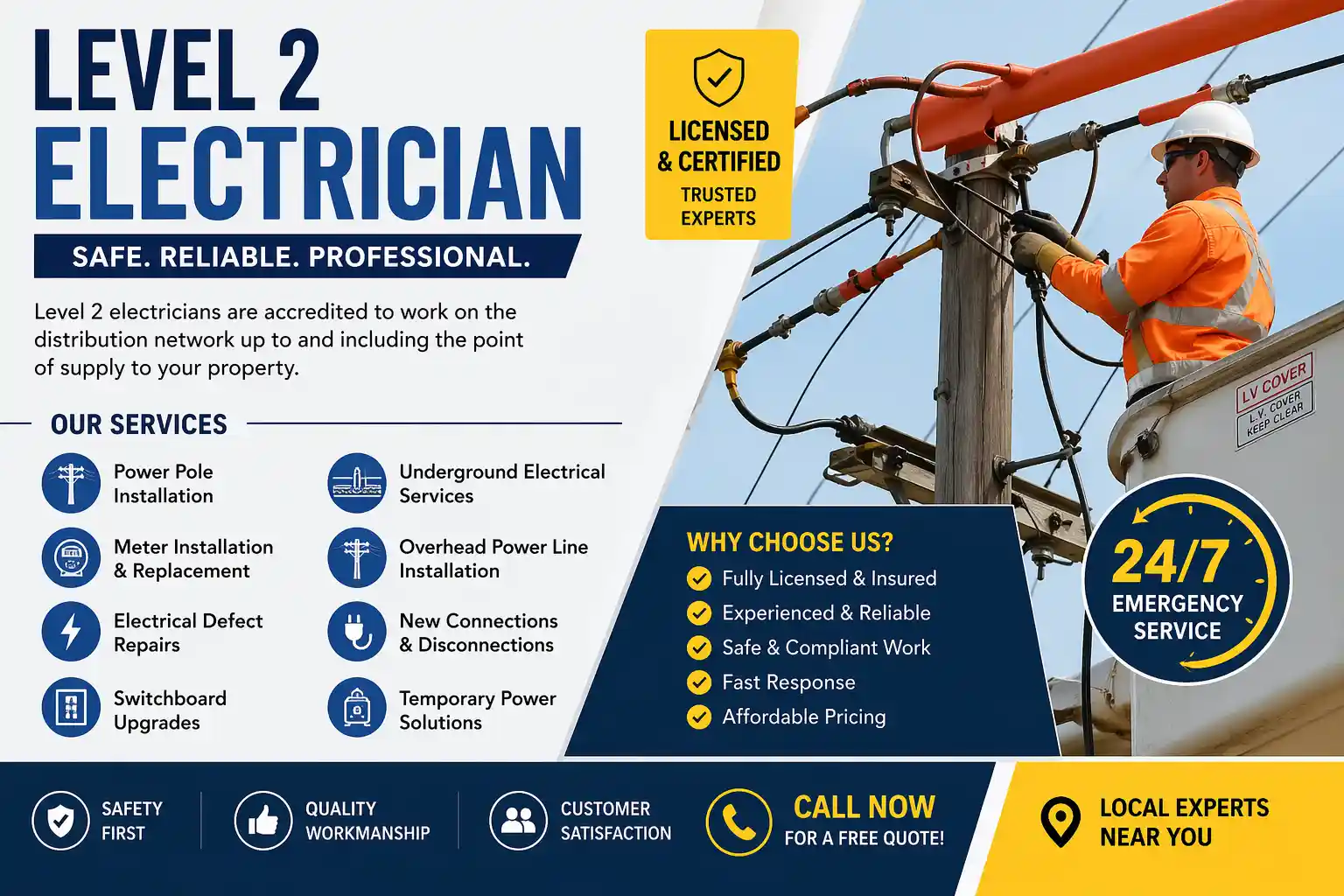
- A Level 2 electrician is authorised to work on the connection between the electricity network and your property — the point where the grid meets your home or business.
That connection point is the dividing line. Anything involving the service line from the street, the metering, or the physical link to the network requires Level 2 accreditation. A general electrician isn’t legally permitted to touch it, no matter how skilled they are.
What Is a Level 2 Electrician (ASP), Exactly?
A Level 2 electrician holds additional accreditation — often referred to as being a Level 2 Accredited Service Provider (ASP) — on top of their standard electrical licence. This accreditation authorises them to carry out contestable works on the electricity network: the connections, disconnections, metering, and service line work that general electricians can’t perform.
The accreditation exists because this work involves live network connections at higher risk levels, and the utility/network operator requires specifically authorised and insured providers to carry it out to strict standards.
The Jobs That Legally Require a Level 2 Electrician
Here’s the practical part — the specific work you’ll need a Level 2 for:
1. New Connections to the Network
Connecting a new build, granny flat, or newly developed property to the mains electricity supply for the first time. This is a Level 2 job because it involves physically joining your property to the grid.
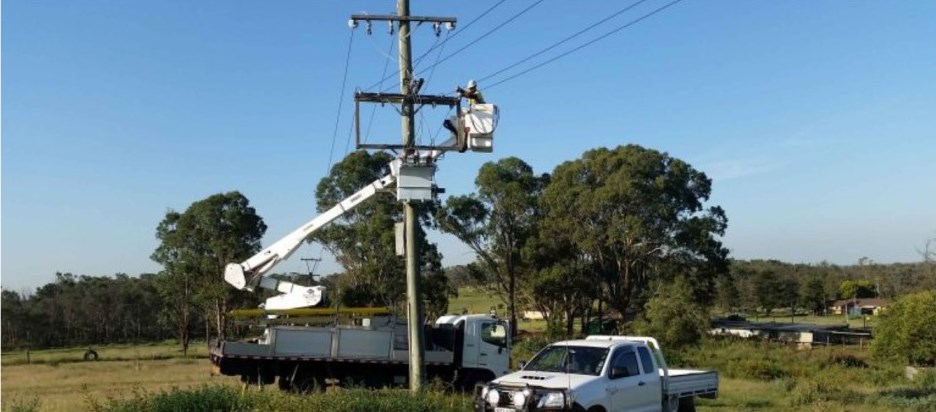
2. Overhead Service Line Work
Installing, repairing, or replacing the overhead cables running from the network pole to your property. Storm damage to these lines is one of the most common reasons homeowners suddenly need a Level 2.
3. Underground Service Line Work
Installing or repairing underground service cables between the network and the property — increasingly common in modern developments where underground power runs for aesthetics and storm resilience.
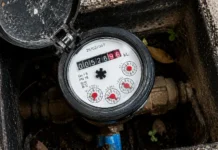
4. Metering Installation and Upgrades
Installing, relocating, or upgrading your electricity meter — including the work often associated with smart meter upgrades where the service connection is involved.
5. Disconnections and Reconnections
Temporarily or permanently disconnecting and reconnecting your property from the network — for demolition, major renovation, or safety reasons.
6. Service Line Upgrades (e.g. Single to Three Phase)
Upgrading your property’s supply capacity — such as moving from single-phase to three-phase power to handle higher electrical demand (common for renovations, workshops, EV chargers, or larger appliance loads).
7. Consumer Mains Work
Installing or upgrading the consumer mains — the cabling that runs from the connection point to your main switchboard.
When You Only Need a Regular Electrician
For contrast, these common jobs do not require a Level 2 and a general electrician can handle them:
- Installing or replacing power points and light switches
- Interior and exterior lighting installation
- Switchboard upgrades (the board itself, not the service connection)
- Wiring new internal circuits
- Installing ceiling fans, ovens, and hardwired appliances
- Fault-finding and repairs within the property
- Safety switch (RCD) installation
The rule of thumb: inside the property = regular electrician; connection to the network = Level 2. When a job spans both (like some smart meter upgrades or a service upgrade feeding a new switchboard), a Level 2 electrician can typically handle the whole scope, whereas a general electrician cannot.
Why You Can’t Just Use Any Electrician for Level 2 Work
It’s not bureaucratic box-ticking. Level 2 work involves:
- Live network connections carrying higher risk than internal wiring
- Strict network operator standards that must be met for the connection to be approved and energised
- Specific insurance and authorisation that general electricians don’t carry
- Compliance and sign-off requirements tied to the network, not just the property
Using an unauthorised person for this work means it won’t be compliant, may not be able to be connected/energised by the network, and can create serious safety and liability problems.
How to Know Which One You Need Before You Book
Ask yourself: does the job touch the connection between the street and your property, the meter, or the service line? If yes, you need a Level 2. If the work is entirely within your property’s internal wiring, a regular electrician is fine.
When in doubt, describe the job clearly when booking — a reputable electrician will tell you upfront whether it’s a Level 2 job. If storm damage has affected the lines coming into your property, or you’re building/connecting something new, assume Level 2 from the start to avoid a wasted call-out.
Understanding the Full Value of a Level 2 Electrician
Knowing what a Level 2 electrician is authorised to do is the first step — but the practical benefits of hiring one go beyond just legal capability. From safety compliance and access to specialised equipment to faster emergency response and long-term cost savings, there are real reasons the accreditation matters for your home or business.
CountDeals has a clear breakdown of exactly that: the key benefits of hiring a Level 2 electrician in Australia, covering safety, efficiency, specialised equipment, and long-term value. If you’ve worked out you need a Level 2 for your job, it’s a useful read on what to expect from a quality provider.