































































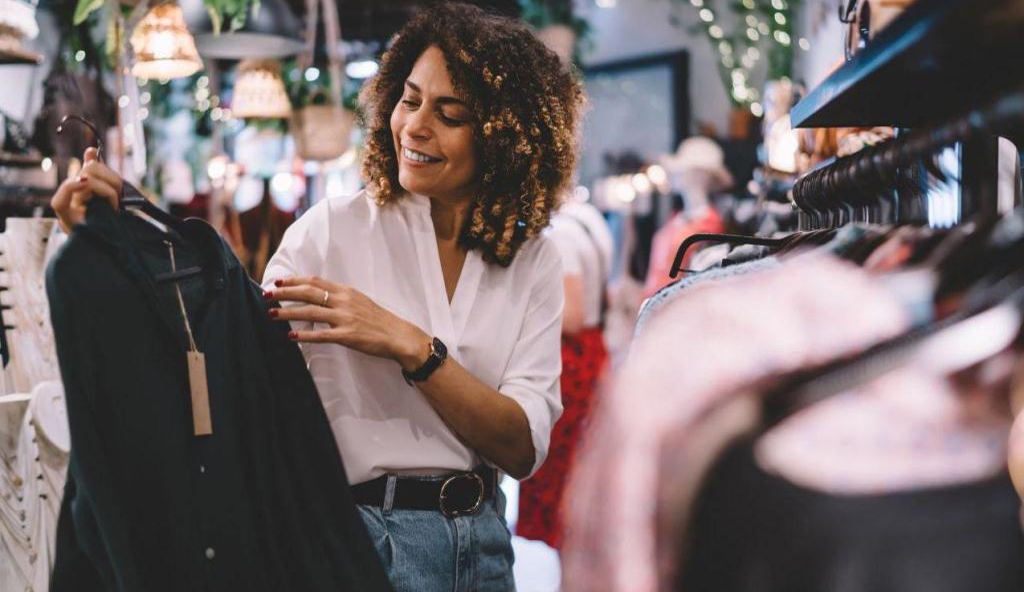
How to Choose the Right Fashion Brand: A Complete Guide to Quality, Fit, Value, and Trust
Most advice on picking a clothing brand stops at “know your style” and “check reviews.” Useful, but it won’t stop you buying a top that pills after three washes, a jacket whose seams pucker, or a “premium” label that’s really just markup on fast-fashion construction. Choosing a brand well means knowing how to judge what you’re actually getting — the fabric, the construction, the fit, and whether the price reflects real quality or just marketing.
This guide gives you that toolkit. We’ll cover how to define what you actually need, the concrete signs of a quality garment (with the specific numbers professionals use), how to judge fit and fabric, how to read a brand’s reputation and values, how to shop smart online where you can’t touch anything, and the red flags that mean walk away. By the end you’ll be able to size up a brand in minutes, not months of trial and error.
Start With What You Actually Need
Before comparing a single brand, get clear on your own requirements — this narrows the field fast and stops you chasing labels that don’t fit your life.
Ask yourself:
- What’s the purpose? Everyday casual, formal/work, occasion wear, activewear, or outerwear each point to very different brands. A brand brilliant at tailoring may be poor at performance sportswear.
- What’s your personal style? Classic and timeless, trend-led, minimalist, streetwear, bold and statement? Knowing this cuts the “ocean of brands” down to a handful that genuinely suit you.
- What’s your budget — per item and long-term? Be honest about both. Sometimes the right answer is fewer, better pieces.
- What matters most to you? Rank durability, comfort, ethics/sustainability, brand image, and price. Your top priority steers the whole decision.
A brand is only “right” relative to your needs. A luxury heritage label and an affordable, ethical basics brand can both be excellent choices — for different people and different purposes. Define the brief first.
The Real Signs of Quality (What Professionals Check)
This is where most buyers go wrong: they judge on the logo or the price tag. But price and quality are different things — quality comes down to what a garment is made from, how it’s constructed, and how it’ll hold up, not the number on the label. Here’s what fashion insiders actually inspect.
Fabric First
Fabric is the foundation of every garment; even flawless construction can’t rescue poor material. Checks that reveal it:
- Feel the weight and substance. Quality fabric feels substantial and drapes or holds shape rather than clinging or collapsing. Flimsy, thin fabric is the first sign of a garment that won’t last.
- Hold it up to the light. If something meant to feel substantial is unexpectedly see-through, the fabric is loosely woven and likely to wear poorly. Densely woven fabric blocks more light.
- Check GSM where you can. GSM (grams per square metre) measures fabric weight and density. As a rough guide professionals use: a quality T-shirt sits around 180–200 GSM (below ~150 feels thin and cheap), and a good hoodie is 350+ GSM. For denim, look for around 12+ oz per square yard.
- Read the fibre content. Natural fibres — cotton, linen, wool, silk — generally wear and breathe well, and quality versions (like long-staple cotton) last longer. Fully synthetic or “plasticky” blends are often (not always) a lower-quality sign; small synthetic percentages (5–20%) can actually improve durability and stretch.
- Do the stretch test. Pull the fabric gently. Quality fabric recovers its shape; if it stays stretched or feels like it might tear, walk away.
Construction and Stitching
Good fabric only becomes a good garment through careful construction. Turn the item inside out — the inside should look almost as neat as the outside.
- Seams should be straight, even, and flat, not twisted, puckered, or wavy. Gently tug a seam; if the stitches pull apart or gap, that’s weak construction.
- Stitch density matters. Smaller, tighter, closely-spaced stitches (higher stitches per inch) generally mean better durability. Loose, sparse, or uneven stitching signals rushed production.
- Check pattern matching. On stripes, plaids, or prints, quality garments align the pattern at the seams. Mismatched patterns reveal shortcuts.
- Look for loose threads and raw edges. Neat, finished seams with no fraying or exposed raw edges indicate care. French seams or bias-bound seams are signs of higher-end finishing.
- Inspect the details. Buttons should be firmly attached with reinforced stitching; zips should glide smoothly (metal zips are typically sturdier than plastic); linings should be present where expected and feel comfortable, not stiff or noisy.
These checks take seconds once you know them, and they tell you more than any price tag.
Quality Checks by Category
Different garments have different tells — what makes a great coat isn’t what makes a great T-shirt. A few category-specific pointers:
T-shirts and basics: Weight is everything here. Aim for around 180–200 GSM — enough to hold shape and drape cleanly without feeling heavy. Check the collar closely: it’s one of the first places cheap shirts fail, stretching out or twisting after a few washes. Long-staple cottons (like Supima or Pima) use longer fibres that resist pilling and last noticeably longer than standard cotton.
Denim: Look for heavier weights (around 12+ oz) for durability, and check that the stitching at stress points — pockets, fly, belt loops — is reinforced (often with bar-tacking). Selvedge denim is a quality signal for enthusiasts, though not essential for everyday jeans.
Knitwear and sweaters: Check the fibre — natural wools and cashmere blends breathe and last, while cheap acrylic pills quickly. Gently stretch the knit and let go; quality knits spring back. Inspect for even, dense knitting with no gaps or dropped stitches.
Tailored pieces (blazers, coats): These reveal quality fastest. A quality blazer is fully lined to conceal internal seams, has a structured but not stiff shoulder, and shows clean, straight stitching throughout. Check that lapels lie flat and buttons are anchored with reinforced stitching. An unlined jacket with exposed inner seams is a clear downgrade.
Dresses and occasion wear: Watch for puckering, especially on slippery fabrics like satin, which are harder to sew well and expose careless construction. Zips should be neatly set and glide smoothly, and patterns should align at the seams.
Knowing the two or three things that matter most in each category lets you assess a brand’s range quickly rather than inspecting every piece from scratch.
Fit: The Most Underrated Factor
Here’s a truth that saves money: a well-fitting garment from an affordable brand almost always looks better than an ill-fitting designer piece. Fit is king.
When judging a brand for fit:
- Learn how the brand’s sizing runs — some run large, some small, some cut for a specific body shape. A brand whose cut suits your body is worth more than a prestigious one that doesn’t.
- Note sizing consistency. Good brands keep measurements consistent over time so you can reorder confidently. Some brands quietly change cuts to chase trends, which is worth knowing.
- Hold it by the shoulders / try it on. Quality pieces move with you and hang cleanly; hems and plackets (the button strip on a shirt) should lie flat, not bubble or twist.
- Consider whether it can be altered. A great fabric in a slightly-off fit can sometimes be tailored; a cheap fabric usually isn’t worth the effort.
Finding a brand that reliably fits your body is one of the biggest long-term wins in building a wardrobe.
Understanding Brand Tiers (So You Compare Fairly)
Part of choosing well is comparing brands within the right tier rather than across mismatched ones. Broadly:
Fast fashion prioritises low price and rapid trend turnover. It has a legitimate place for trend pieces you’ll wear briefly, but construction and fabric are usually built to a price, so don’t expect longevity — and factor the environmental cost in.
Mid-market / high-street brands aim for a balance of price, style, and reasonable durability. This tier varies enormously in quality, which is exactly where your inspection skills pay off most — two similarly-priced brands here can differ hugely in construction.
Premium / contemporary brands charge more for better materials, construction, and design consistency. The key question in this tier: are you paying for genuine quality or largely for the name? Inspect to find out.
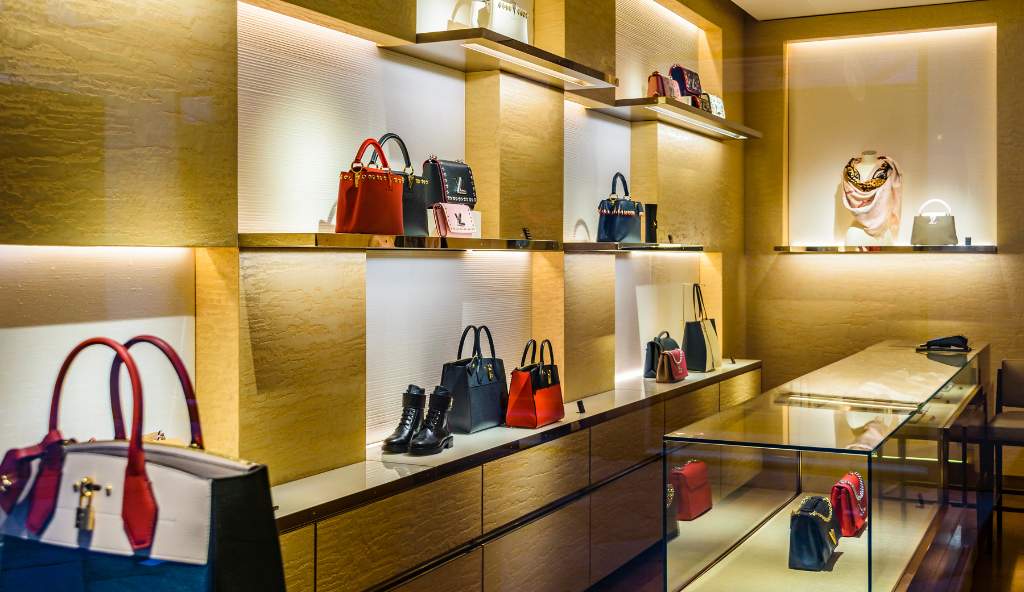
Luxury / heritage houses justify their prices (when they do) through exceptional materials, craftsmanship, and timelessness — think pieces that last decades and never date. The risk here is paying luxury prices for logo value rather than construction, so the same checks still apply.
The point isn’t that higher tiers are always “better” for you — it’s that you should compare like with like, match the tier to the garment’s purpose and your budget, and apply the same quality inspection at every level. A superb mid-market staple can outperform a carelessly-made premium piece, and knowing the tiers helps you spot when a brand is overcharging for what it actually delivers.
Reading a Brand’s Reputation — Properly
Reputation is a useful signal, but it should support your own inspection, not replace it. Many lesser-known brands make excellent garments, while some famous labels prioritise volume over longevity.
To assess reputation well:
- Look at brand history and track record. Heritage brands that have held a reputation for quality over years or decades usually earn it through consistent materials and construction.
- Read customer reviews critically — especially comments on durability after washing, sizing accuracy, and how the brand handles problems, not just first-impression praise.
- Value consistency. A brand that reliably delivers the same quality and fit build trust and makes repeat buying easy. Inconsistency is a red flag.
- Be wary of pure hype. Heavy advertising and celebrity endorsement build familiarity, but familiarity isn’t quality. Judge the actual product.
- Watch for quality drift. Some brands lower standards over time to cut costs while keeping the name and price. Re-inspect even brands you’ve trusted before.
The goal is to build, over time, a personal shortlist of brands that consistently meet your standards — then you can shop them with confidence.
Values and Sustainability: Increasingly Part of the Decision
For many buyers, how a brand operates now matters as much as what it makes. The fashion industry is a major environmental contributor — by some estimates responsible for around 10% of global carbon emissions — and awareness of both environmental impact and labour conditions has pushed shoppers to choose more responsibly.
If ethics matter to you:
- Look for specifics, not slogans. Genuine brands name their materials, certifications, and supply-chain practices rather than using vague “eco” language (a practice known as greenwashing).
- Consider materials and longevity. Durable, natural, or responsibly-sourced materials and a “buy less, buy better” ethos are more sustainable than disposable fast fashion — and often better value too.
- Check alignment with your priorities — whether that’s ethical labour, recycled materials, low-waste production, or secondhand and resale options, which have grown rapidly among value- and planet-conscious shoppers.
Choosing brands whose values match yours makes your wardrobe feel more coherent and your spending more intentional.
Shopping Smart Online (Where You Can’t Touch Anything)
Online shopping removes your ability to feel fabric and check seams, but quality cues still exist:
- Read product descriptions for specifics. Clear fibre content, GSM, and material details signal a brand confident in its quality; vague terms (“premium fabric,” “high-quality material”) with no specifics are a warning.
- Study the photos closely — zoom in on seams, stitching, and finishing where possible.
- Rely more on reviews, filtering for comments on fit, durability, and accuracy versus the product photos.
- Always check the return policy. A fair, clear returns and exchange policy is essential when you can’t try before you buy — and a brand’s willingness to stand behind returns is itself a trust signal.
- Order a single test piece from a new brand before committing to a larger order, so you can assess real-world quality and fit firsthand.
The Value Equation: Price vs Cost-Per-Wear
The smartest way to think about price isn’t the sticker — it’s cost-per-wear. A well-made piece you wear a hundred times is cheaper, per wear, than a cheap one you replace every season and eventually bin.
- Invest in high-use staples — everyday coats, jeans, quality basics — where durability pays off daily.
- Economise on trend or occasion pieces you’ll wear rarely, where longevity matters less.
- Remember fast fashion has a place but shouldn’t be the whole wardrobe; a solid foundation of durable pieces saves money and hassle over time.
- Factor in care requirements. A “bargain” that needs dry cleaning constantly, or warps after one wash, isn’t a bargain.
Quality over quantity — fewer, better pieces — usually wins on both cost and satisfaction in the long run.
Red Flags: When to Walk Away
If a garment or brand shows several of these, keep your money:
- Thin, see-through, or plasticky-feeling fabric on something that should feel substantial.
- Uneven, loose, or sparse stitching; puckered or twisted seams; threads already coming loose in-store.
- Mismatched patterns at seams (a clear sign of rushed production).
- Flimsy plastic zips or loosely-attached buttons.
- Missing lining on a garment that should be lined (blazers, coats, many dresses).
- Vague product descriptions online with no fibre content or specifics.
- No clear returns policy, or a brand that’s hard to contact.
- Inconsistent sizing or quality reported repeatedly across reviews.
If an item fails multiple checks, don’t buy it — no matter how tempting the price.
Putting It All Together
Choosing the right fashion brand is a repeatable process, not a guess. Define what you need first (purpose, style, budget, priorities). Inspect the actual product — fabric weight and content, construction and stitching, fit and finishing — rather than trusting the logo. Weigh reputation and values as supporting signals, shop online with a sharper eye on specifics and returns, and judge price by cost-per-wear rather than the sticker.
Do this a few times and patterns emerge: you’ll build a personal shortlist of brands that consistently deliver the quality, fit, and values you care about, and shopping stops being a gamble.
If you’d like a concise starting framework as you begin evaluating options, CountDeals has a helpful companion overview on tips for choosing the right fashion brand for your needs, which pairs well with the detailed checks in this guide.