



































































The Complete Carpet Care Guide: Fiber-Specific Cleaning, Stain Removal, and How Often to Deep Clean
Most carpet advice online tells you half the story. One article explains how often to clean; another lists stain remedies; a third compares cleaning methods — but almost none connect them, and the single most important factor in carpet care gets buried: your carpet’s fiber type changes everything. The right way to clean a wool carpet can ruin a polyester one, and a stain remedy that rescues nylon can set a stain permanently in olefin.
This guide pulls the whole picture together. You’ll learn how to identify your carpet fiber and why it dictates every cleaning decision, how often to actually clean based on your household, the real differences between professional cleaning methods, a stain-by-stain removal reference, and the mistakes that quietly destroy carpets. It’s built to be the one carpet guide you bookmark instead of ten.
Start Here: Identify Your Carpet Fiber (It Changes Everything)
Before you buy a single cleaning product or book a service, find out what your carpet is made of. Check for a manufacturer tag along a closet edge, or ask your installer or retailer for records. Knowing your fiber determines which methods, products, and vacuum settings are safe — and which will void your warranty or wreck the pile.
Here are the five fibers you’re most likely to have.
Nylon — The Durable Workhorse
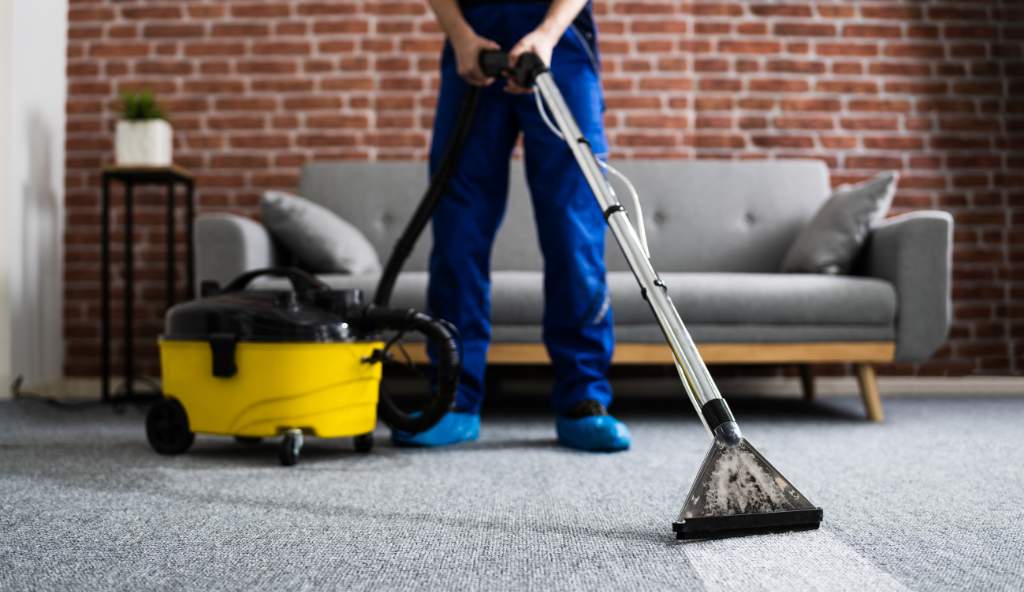
Nylon is the most popular carpet fiber for good reason: it’s durable, resilient, and bounces back from crushing better than any other fiber. It tolerates both wet and dry cleaning well, responds beautifully to hot water extraction, and handles high traffic. If your carpet is in a hallway, stairway, or busy family room, there’s a good chance it’s nylon. It’s the most forgiving fiber to care for.
Polyester (PET) — Soft and Stain-Resistant, but Delicate Underfoot
Polyester is prized for softness and vivid colour, and it’s naturally resistant to water-based stains. Its weakness is resilience: it crushes and mats in high-traffic areas more easily than nylon, and it’s prone to holding onto oil-based stains. Clean it gently and avoid over-agitation that flattens the pile.
Olefin (Polypropylene) — Moisture-Proof but Oil-Loving
Olefin resists moisture and fading, which makes it common in basements, outdoor areas, and loop-pile “Berber” styles. The catch: it’s highly attracted to oils, so greasy and oily soils cling stubbornly. It also absorbs more moisture than you’d expect for a synthetic. Low-moisture methods and prompt attention to oily spills work best.
Wool — Luxurious but Genuinely Fussy
Natural wool is soft, beautiful, and long-lasting — but it’s water-sensitive and reacts badly to harsh chemicals, high heat, and over-wetting. Wool needs gentle, low-moisture, wool-safe products and pH-appropriate solutions. Using a standard synthetic-carpet approach on wool can cause shrinkage, browning, or texture damage. Wool is the fiber where professional care pays off most, and it’s also vulnerable to moths, so regular vacuuming and cedar in nearby closets help.
Triexta — The Newer, Tough Contender
Triexta is a newer fiber known for durability and built-in stain resistance, often marketed for homes with kids and pets. It generally cleans well with standard methods, but as always, confirm with the manufacturer’s guidance.
The takeaway: synthetic fibers (nylon, polyester, olefin, triexta) are generally more forgiving, while wool demands specialist care. Match every decision below to your fiber.
How Often Should You Actually Clean Your Carpet?
“Clean your carpet regularly” is useless advice without numbers. Frequency has three layers: daily/weekly maintenance, interim cleaning, and deep cleaning.
Vacuuming (Weekly, and More in Busy Areas)
Vacuuming is the foundation of carpet care because it removes the dry, gritty soil that acts like sandpaper on carpet fibres — the primary cause of premature wear. Vacuum high-traffic areas and pet zones two or more times a week, and the whole carpet at least weekly. Use a vacuum with a HEPA filter if anyone in the home has allergies, as it traps fine particles rather than recirculating them.
Professional Deep Cleaning (The Real Question)
Industry and manufacturer guidance converges on clear ranges, adjusted for your household:
- Average household, low traffic: every 12–18 months
- Standard family home: every 6–12 months
- Homes with pets, young children, allergy sufferers, or heavy traffic: every 3–6 months
- Wool or silk carpets: more frequent professional attention (often around every 3 months), because natural fibres hold dirt more persistently
Two important notes. First, many carpet manufacturers require professional deep cleaning at set intervals (often around every 12–18 months) to keep the warranty valid — neglecting it can void your coverage. Second, don’t wait for visible dirt. Traffic lanes, recurring spots, lingering odours, a sticky underfoot feel, or increased sneezing all signal embedded buildup that’s far easier to remove sooner than later.
What Your Carpet Is Actually Holding (The Health Angle)
It helps to understand why frequency matters, because a carpet that looks clean often isn’t. Carpet works like a giant passive air filter: it traps dust, pet dander, pollen, dead skin cells, dust mites and their waste, mould spores, and fine particulate that drifts in from outside. That’s genuinely useful — those particles aren’t circulating in the air you breathe while they’re locked in the pile.
The problem is that a filter only helps until it’s full. Once the fibres are saturated with trapped debris, every footstep acts like a bellows, releasing a puff of those particles back into the room. This is why homes with older, rarely-deep-cleaned carpet can see more sneezing, congestion, and irritation even when the surface looks fine — the reservoir of allergens is simply being agitated back into the air.
Two groups feel this most: households with allergy or asthma sufferers, and homes with pets or young children who spend time at floor level. Dust mites in particular thrive in carpet and are a common trigger for allergic reactions. Regular vacuuming with a HEPA filter removes the surface layer, but only periodic deep extraction flushes out the embedded reservoir that vacuuming leaves behind. If anyone in your home has respiratory sensitivities, treat deep cleaning as a health measure, not just a cosmetic one — and lean toward the more frequent end of the ranges above.
Professional Cleaning Methods Explained (and When Each Wins)
Not all “carpet cleaning Hove” is the same. Understanding the main methods helps you choose a service and know what you’re paying for.
Hot Water Extraction (Steam Cleaning) — The Gold Standard
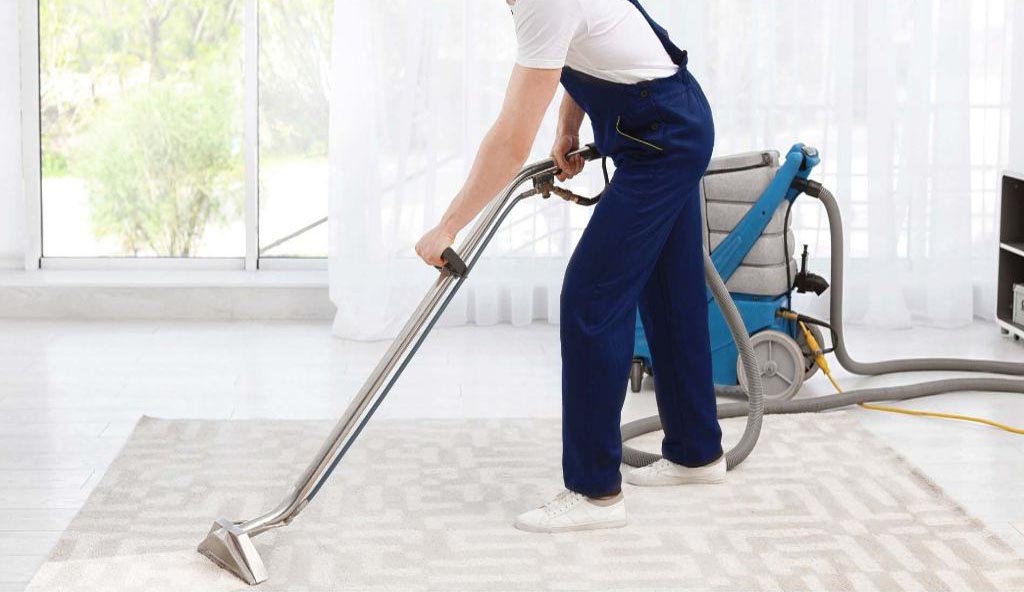
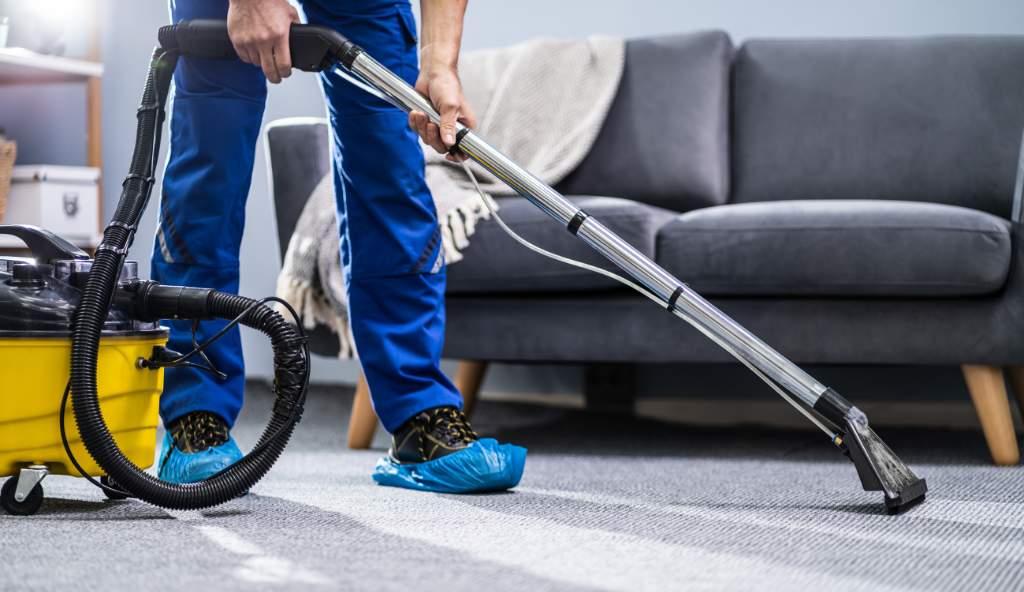
Despite the “steam” nickname, this method sprays heated water and cleaning solution deep into the carpet pile, agitates the soil, then extracts the water along with dissolved dirt, allergens, and contaminants using powerful suction. It’s the most effective method for deep cleaning, reaching the lowest layer of the pile that vacuuming can’t touch, and the high temperature helps address bacteria and allergens. This is the method most carpet manufacturers recommend.
The trade-offs: it uses significant moisture, so drying takes longer (typically several hours to a day), and it isn’t meant to be done constantly — roughly once or twice a year for deep restoration in a normal ready home. Proper extraction and drying are critical; a rushed job that leaves the carpet damp risks mould and mildew.
Encapsulation — The Low-Moisture Maintainer
Encapsulation uses a solution containing polymers that surround (encapsulate) dirt particles and crystallise as they dry; the crystals — with the dirt locked inside — are then vacuumed away. Its advantages are speed and low moisture: drying often takes just 30–60 minutes, there’s minimal residue, and less water means lower mould risk.
Encapsulation shines as interim maintenance between deep cleans, especially in commercial settings and busy homes that can’t afford long drying times. Its limitation is depth — it doesn’t reach heavily embedded soil the way extraction does. A common professional rule of thumb is one hot water extraction for every few encapsulation cleanings, so buildup doesn’t accumulate over time.
Other Methods You’ll Encounter
Dry compound cleaning spreads an absorbent, solvent-carrying compound that’s worked into the pile and vacuumed out — fast-drying and useful for moisture-sensitive carpets. Bonnet cleaning uses a rotating pad to clean the carpet surface; it’s quick and cheap but only treats the top layer and is generally not recommended for long-term care. Carpet shampooing is an older method that can help with targeted stain treatment but tends to leave residue if not thoroughly rinsed.
The right method depends on your fiber, soiling level, and how quickly the carpet must be back in use. A good professional matches the method to the carpet rather than using one approach for everything — and follows manufacturer guidelines.
The Stain-Removal Playbook
Stains are beatable, but only if you act correctly and fast. First, the universal rules that apply to almost every spill:
- Act immediately. Fresh spills lift far more easily than set-in stains. Speed beats any product.
- Blot, never rub. Rubbing drives the stain deeper and frays the fibres. Blot from the outside of the stain inward with a clean white cloth.
- Lift solids first. Scoop or scrape solid material with a spoon or blunt knife before adding any liquid.
- Always test. Try any solution on a hidden patch first to check for colour loss — especially on wool.
- Don’t over-wet. Soaking pushes stains and moisture into the backing and underlay.
- Rinse and dry. Blot with clean water to remove residue (residue attracts dirt), then dry thoroughly.
Now the specific treatments:
Red wine: Blot immediately, dilute with cold water (never hot — heat sets it), and blot again. Mild dish soap with cold water, or diluted white vinegar, usually lifts the rest.
Coffee and tea: Blot, then treat with mild dish soap, a little white vinegar, and warm water. Both leave a yellow-brown tint if left, so act promptly.
Pet urine: Blot up as much as possible, then use an enzyme-based cleaner made for pet stains. Enzymes break down the compounds causing both the stain and the odour — ordinary soap leaves the smell behind, which is exactly why pets keep returning to the same spot.
Blood: Use cold water only — warm or hot water sets it. Blot with cold water; on colourfast carpets, a little hydrogen peroxide can help stubborn spots (test first).
Grease and oil: Sprinkle baking soda or cornflour to absorb it, leave, then vacuum. Follow with grease-cutting dish soap and water. (Oily stains are especially stubborn on olefin.)
Ink: Dab gently with a cloth barely dampened with isopropyl alcohol. Never rub — ink spreads fast.
Mud: Resist treating it wet. Let it dry completely, vacuum the loose dirt, then treat any remaining mark with soap and water.
Chewing gum: Harden it with ice until brittle, then scrape it off with a blunt knife.
The Mistakes That Ruin Carpets
Avoid these and you’ll prevent most permanent damage:
- Scrubbing hard — damages fibres and drives stains deeper into the pile.
- Using hot water on protein stains (blood, some foods) — heat sets them permanently.
- Over-wetting — pushes stains into the backing and invites mould and mildew.
- Leaving cleaning residue — sticky residue attracts fresh dirt, so the spot re-soils faster than the rest of the carpet. Thorough rinsing matters.
- Using the wrong products on wool — harsh, high-pH, or high-heat treatments cause shrinkage and browning.
- Waiting too long — the single biggest factor turning a removable stain into a permanent one.
- Ignoring the underlay after a big spill — moisture that reaches the padding causes odour and mould even when the surface looks fine.
Why Professional Cleaning Is Worth It — and When It’s Essential
You can and should handle routine maintenance and fresh spills yourself. But some situations genuinely call for a professional: old set-in stains, large spills that reached the underlay, delicate wool, lingering pet odours DIY hasn’t fixed, stains of unknown origin, and — most commonly — general whole-carpet dullness that no spot-treatment resolves.
Professionals bring truck-mounted or high-grade extraction equipment far more powerful than rental units, fiber-specific solutions, and the experience to clean deeply without damaging the carpet. Hot water extraction by a good operator removes the overwhelming majority of embedded dirt and allergens and reaches the base of the pile that home methods can’t. For anything set-in, valuable, or widespread, a professional clean is usually far cheaper than replacing a carpet you’ve accidentally damaged.
There’s also a preventive payoff. Regular professional cleaning removes the abrasive grit that shortens carpet life, refreshes flattened pile and faded colour, and — with optional protective treatments — buys you more time to blot future spills before they set. In other words, routine cleaning doesn’t just fix problems; it prevents them.
If you want a clear rundown of those benefits — the health gains, the effect on your carpet’s lifespan, and how to choose a trustworthy service — CountDeals has a helpful overview on why homeowners should make carpet cleaning deals a priority. It’s a useful companion to this guide once you’ve decided to bring in a pro.
How to Choose a Carpet Cleaning Service
If you’ve decided to hire a professional, a few checks separate a quality operator from a cheap job that leaves your carpet soggy and streaky:
- Ask which method they’ll use and why. A good company tailors the method to your fiber and soiling, and can explain the choice. Be wary of anyone who uses one approach for every carpet.
- Check for certification and training. Technicians trained and certified by a recognised industry body are more likely to handle different fibres and stains correctly, and to use properly maintained equipment.
- Confirm the quote is itemised. It should specify the method, any pre-treatment, stain treatment, and whether protective treatment is included — not just a single lump sum.
- Ask about drying time. With hot water extraction, expect a realistic drying window and good extraction; a company that leaves carpets dripping is cutting corners.
- Look for genuine reviews and fiber-specific experience. For wool or delicate carpets especially, confirm they’ve handled that material before.
- Consider eco-friendly and pet-safe solutions if you have children or animals — many effective options are now low-toxicity.
A slightly higher price for proper equipment, correct method selection, and thorough extraction is almost always worth it. The cheapest quote often means over-wetting, residue, and a carpet that re-soils within weeks.