


























































Which Kitchen Trends Are Worth It (and Which Will Date Fast): A Renovator’s Guide to Spending Smart
Every kitchen trend looks irresistible on Pinterest. The problem is that a kitchen renovation is a 10-to-20-year commitment, and some of today’s most photographed trends will look as dated as the mission-brown kitchens of the 1970s within five years. Spend in the wrong places and you’ll be looking at a “tired” kitchen long before it’s worn out.
The smart approach isn’t to avoid trends — it’s to know which elements are safe to invest in permanently, and which ones to keep cheap, removable, or reversible. This guide sorts the current modern kitchen design trends into exactly those categories, so your renovation still looks good in a decade.
The Core Principle: Permanent vs Swappable
Before any specific trend, understand the single rule that protects your money:
Put timeless choices where they’re expensive to change. Put trendy choices where they’re cheap to swap.
- Expensive/permanent elements (cabinetry carcasses, benchtops, layout, flooring, splashback) should be relatively neutral and classic — because replacing them means another renovation.
- Cheap/swappable elements (hardware, tapware, paint, stools, pendant lights, accessories) are where you express trends — because you can change them in an afternoon for a fraction of the cost when the look dates.
Apply this one rule and you’ve already avoided the most expensive renovation mistake.
Trends Worth Investing In (They’ll Last)
These have proven staying power or are neutral enough to age gracefully:
Natural Timber and Wood Grain
Timber has been a kitchen staple for decades and shows no sign of dating, because it’s a natural material rather than a fashion colour. Warm woods like oak and walnut read as timeless, not trendy. Safe to commit to on cabinetry.
Shaker and Flat-Panel Cabinet Doors
Both the classic Shaker profile and clean flat-panel (slab) doors are enduring. Shaker in particular has survived multiple decades of trend cycles. Neither will look dated quickly.
Neutral Stone or Stone-Look Benchtops
White, grey, and subtle natural-stone-look benchtops are the safest long-term choice. They don’t tie you to a colour moment and they suit whatever accent colours you introduce later.
Quality Hardware in Classic Finishes
Brushed nickel, matte black, and brushed brass have all proven durable as finishes. Because hardware is cheap to swap anyway, this is low-risk — but classic finishes mean you may not need to.
Good Lighting Design (Layered)
Layered lighting — ambient, task, and accent — is a functional principle, not a trend. Investing in proper lighting design never dates, even if specific fixtures do.
Integrated / Panel-Ready Appliances
Appliances hidden behind cabinetry panels sidestep the problem of a bold appliance finish dating, and give a clean, timeless look.
Trends to Approach With Caution (They May Date Fast)
These are having a moment — enjoy them, but keep them cheap or reversible:
Bold, Highly Specific Colour Palettes
Trend-led colours (this year’s “it” green, deep burgundy, strong terracotta) can date quickly. Get them via paint, splashback tiles you can replace, stools, or accessories — not via permanent cabinetry or benchtops.
Very Trendy Splashback Patterns
Statement geometric, terrazzo, or strongly patterned splashbacks are gorgeous now but are among the first things to look dated. They’re moderately expensive to replace, so weigh this — a classic tile with a trendy grout or accent is a safer middle ground.
Open Shelving (Everywhere)
Open shelving looks beautiful styled for a photo, but many homeowners find it impractical long-term (dust, clutter, the pressure to keep it curated). A little is fine; replacing all your upper cabinets with it is a bigger commitment than it looks.
Ultra-Glossy or Ultra-Matte Extreme Finishes
Very high-gloss or very flat ultra-matte finishes can feel tied to a specific era. Slightly more restrained finishes age better.
Highly Distinctive Curved or Sculptural Features
Curves are trending and can look stunning, but the more sculptural and specific a built-in feature is, the more strongly it anchors your kitchen to a particular year. Enjoy in moderation.
The Decision Framework: Three Questions Before You Commit
For any trend you’re tempted by, ask:
- How expensive is it to change later? Expensive to change → keep it timeless. Cheap to change → go trendy.
- Is it a natural material or a fashion colour/pattern? Natural materials (timber, stone) age well; specific colours and patterns date.
- Will I still use it practically in five years? Some trends (open shelving, specific gadget integrations) are about looks more than daily function — be honest about how you actually live.
If a trend is expensive to change, is a fashion colour/pattern, and is more about looks than function, it fails all three — put it somewhere cheap or skip it.
Where the Trends Actually Belong
Bringing it together, here’s the smart allocation:
- Permanent + neutral: cabinetry, benchtops, layout, flooring, main splashback field
- Trend-expressive + swappable: paint colour, hardware, tapware, pendant lights, bar stools, accessories, styling
- Middle ground (choose carefully): feature splashback, appliance finishes, statement island
This way your kitchen has personality now through the swappable layer, and a timeless bones layer that still looks good when trends and lifestyle move on — and you can refresh the look in a decade for the cost of hardware and paint, not another full renovation.
Turning the Strategy Into Actual Ideas
Knowing which trends to invest in is the strategy — the next step is choosing the specific looks, materials, and combinations that bring it to life. From timber cabinetry and statement splashbacks to lighting, hardware, and clever storage, there’s a lot of inspiration to draw on once you know how to spend wisely.
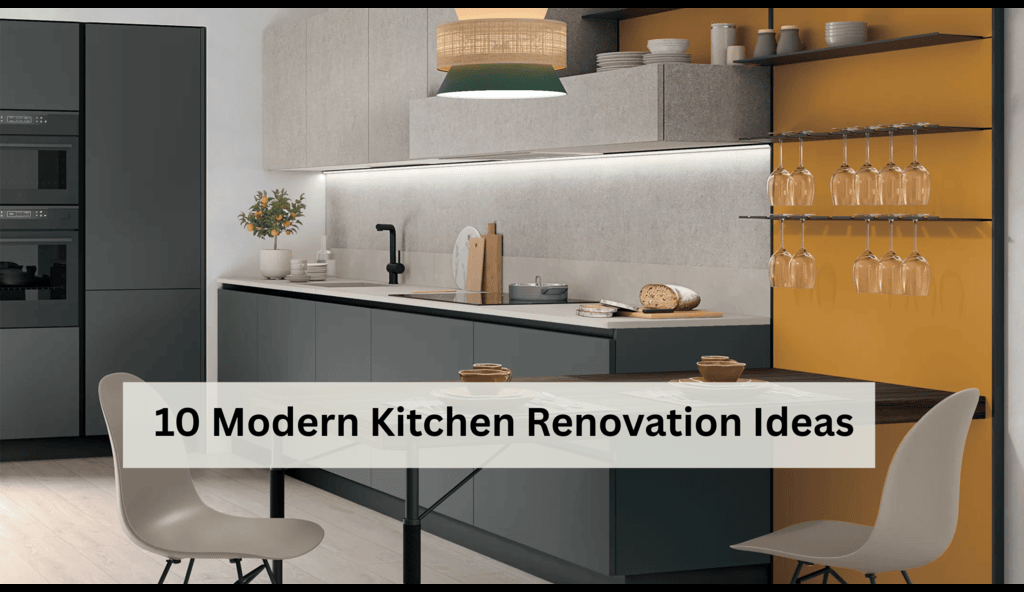
CountDeals has a well-rounded rundown of current looks worth considering: 10 modern kitchen renovation in sydney ideas for a stylish upgrade, covering cabinetry, splashbacks, lighting, storage, and finishes. Pair those ideas with the invest-vs-swap framework above and you’ll get a kitchen that’s both on-trend and built to last.