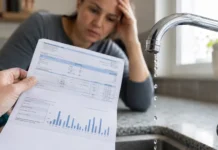


































































 If you have ever opened your electricity bill and felt a small jolt of dread before even reading the number, you’re not alone. Millions of households deal with the same frustration every month: unpredictable costs, no clear idea of where the energy is actually going, and a meter that only tells you the story after the damage is done.
That is the exact problem smart meter installation was built to solve.
Instead of waiting a month to find out you used too much power running the AC, a smart meter shows you in real time. It’s the difference between checking your bank balance once a month by mail and checking it instantly on your phone. Once you can see energy use as it happens, you can actually do something about it — instead of just reacting to a bill after the fact.
This guide walks through everything a homeowner, property manager, or business owner needs to know before installing a smart meter: how the process works, what it actually costs, the real benefits, the concerns worth taking seriously, and how to pick a provider who won’t cut corners.
What Is a Smart Meter, Exactly?
A smart meter is a digital device that measures your electricity (or gas/water) consumption and automatically sends that data to your utility provider — usually every 15 to 60 minutes — using wireless communication technology.
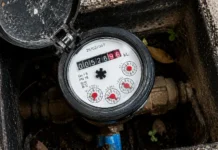
Unlike a traditional analog meter, which just spins a dial that someone has to physically read once a month, a smart meter:
• Records usage in near real-time
• Transmits data automatically (no more meter reader visits)
• Allows two-way communication between you and the utility
• Often integrates with apps or online dashboards so you can track usage yourself
Think of it as upgrading from a paper calendar to a live calendar app that updates itself and reminds you before you forget something important.
Why Smart Meter Installation Matters Right Now
Energy infrastructure is going through one of its biggest modernization pushes in decades. Utilities across the U.S. are replacing legacy analog meters with advanced metering infrastructure (AMI) at scale, and it’s not a niche trend — it’s already mainstream.
According to the U.S. Energy Information Administration, U.S. electric utilities had roughly 119 million advanced metering infrastructure installations as of 2022, accounting for about 72% of all electric meters nationwide, with residential customers making up nearly 88% of those installations. In other words, smart meters have already become the standard, not the exception — and adoption keeps climbing as utilities modernize aging grids and push toward more accurate, data-driven billing.
That shift matters for homeowners for a simple reason: the earlier you upgrade, the sooner you start benefiting from accurate billing, rebate eligibility, and visibility into your own energy habits — instead of being one of the last households still guessing.
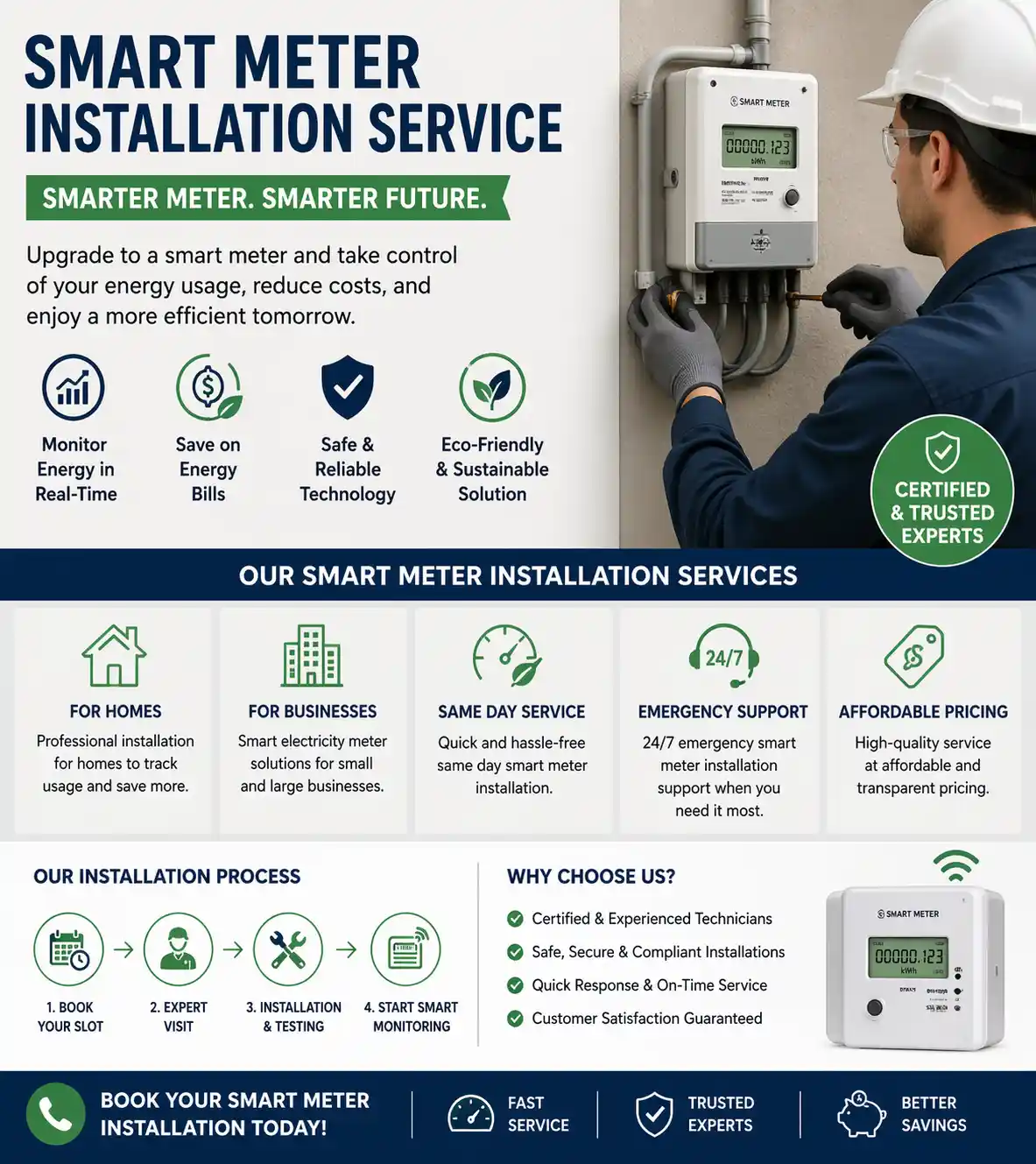
How Smart Meter Installation Works: Step by Step
A lot of homeowners put off installation because they assume it’s a disruptive, all-day ordeal involving rewiring their entire home. In reality, it’s one of the simpler electrical upgrades you can schedule. Here’s what the process typically looks like.
Step 1: Site Assessment certified technician
evaluates your existing meter setup, wiring, and panel compatibility. This is usually quick — often done during the same visit as installation, or as a brief pre-visit for larger commercial properties.
Step 2: Scheduling and Notification
Your utility or installation provider schedules a service window. Most residential jobs only need a short power interruption — often less than 5-10 minutes — while the old meter is swapped out.
Step 3: Removal of the Old Meter
The technician safely disconnects and removes the existing analog or outdated digital meter.
Step 4: Installing the Smart Meter
The new meter is fitted into the existing meter socket. In the vast majority of homes, no rewiring is required — smart meters are designed to be a direct swap-in replacement.
Step 5: Activation and Testing
The technician activates the meter, confirms it’s transmitting data correctly to the utility, and tests the connection.
Step 6: Verification and Walkthrough
You should be shown how to access your usage data, whether through a utility portal, a mobile app, or an in-home display, depending on what your provider offers.
Typical timeline: Most residential smart meter installations take between 20 and 45 minutes. Commercial or multi-unit properties may take longer depending on the number of meters and panel complexity, but a certified provider can usually complete even larger jobs within a single working day.
The Real Benefits of Smart Meter Installation
1. Real-Time Energy Monitoring
This is the headline benefit, and for good reason. Instead of finding out in arrears that you had a spike in usage, you can see it happening — whether it’s the water heater running longer than expected or a device quietly drawing power 24/7. That visibility alone is often enough to help households cut consumption by noticeable margins simply by adjusting behavior.
2. More Accurate Billing
No more estimated bills based on guesswork or averages from your neighborhood. Smart meters record actual usage, which means:
• No more “true-up” bills that catch you off guard
• No need to be home for a manual meter reading
• Billing that reflects what you actually used, not an estimate
3. Cost Savings Over Time
When you can see usage patterns clearly, you can shift habits accordingly — running high-draw appliances during off-peak hours if your utility offers time-of-use pricing, catching a malfunctioning appliance early, or simply becoming more conscious of daily habits. These small adjustments add up.
4. Environmental Impact
Smart meters support grid-level efficiency too. Utilities can better balance load, reduce energy waste, detect outages faster, and integrate renewable energy sources like rooftop solar more effectively. On a household level, reduced consumption means a smaller carbon footprint.
5. Eligibility for Utility Rebates and Incentive Programs
Many state and utility-level programs offer rebates, reduced rates, or incentive credits specifically tied to smart meter adoption — particularly for households that also install solar panels, battery storage, or participate in demand-response programs. Depending on your state, opting in can unlock savings you wouldn’t otherwise be eligible for.
6. Outage Detection and Faster Repairs
Two-way communication means your utility often knows about an outage before you even call it in. That translates to faster response times and, in many cases, more accurate restoration estimates.
It’s fair to have questions before letting someone touch your home’s electrical system. Here are the concerns that come up most often — and the honest answers.
“Is it safe?”
Smart meters undergo rigorous safety and compliance testing before deployment, and installation by a certified Level 2 electrician follows the same safety protocols as any other meter work. The radiofrequency (RF) emissions from smart meters are well below FCC safety limits — generally comparable to or lower than emissions from a cell phone or Wi-Fi router.
“Will it damage my existing wiring?”
In the overwhelming majority of homes, no. Smart meters are engineered as direct replacements for the existing meter socket. If your home’s wiring is outdated or has pre-existing issues, a qualified technician will flag that during the site assessment — not after the fact.
“How long will my power be off?”
Typically just a few minutes during the swap itself. It’s a far shorter interruption than most homeowners expect.
“Is my data private and secure?”
This is a legitimate concern, and a reasonable one to ask your provider about directly. Reputable utilities and installation providers use encrypted data transmission, and in most jurisdictions, usage data is protected under state privacy regulations governing utility customer information. Before installation, it’s worth asking your provider exactly how your data is transmitted, stored, and who has access to it.
“What does it cost?”
This varies significantly depending on your location, utility program, and whether the installation is utility-mandated (often free or subsidized) or a voluntary upgrade through a private provider (which may involve a service fee). Many utility-led rollouts cover the cost entirely as part of grid modernization initiatives. For voluntary installs, get a clear, itemized quote before committing — a transparent provider will break down equipment, labor, and any permit costs rather than giving a vague lump sum.
What to Look for in a Smart Meter Installation Provider
Not all installation services are created equal, and this is one area where cutting corners can cost you later — through faulty wiring, inaccurate readings, or voided warranties. Before choosing a provider, check for:
• Certified, licensed electricians — not just general handymen
• Manufacturer partnerships or authorized dealer status with recognized meter brands
• Transparent, itemized pricing with no hidden fees
• Clear data privacy policies you can actually read and understand
• Post-installation support — someone to call if the meter isn’t transmitting correctly
• Verified reviews or case studies from past residential or commercial clients
A certified provider will walk you through each of these points without hesitation. If a company is vague about licensing or dodges questions about data handling, treat that as a red flag.
Residential vs. Commercial Smart Meter Installation
The core installation process is similar, but there are a few key differences worth knowing:
Residential installations are typically single-meter jobs, completed quickly, often with minimal disruption and, in many cases, subsidized or fully covered by the utility.
Commercial and multi-unit installations usually involve multiple meters, more complex panel configurations, and coordination across tenants or departments. Property managers overseeing multi-unit buildings should expect a phased installation schedule and should confirm in advance how tenant notifications and temporary power interruptions will be handled.
For property managers specifically, working with a provider experienced in multi-unit rollouts — rather than one used to single-home jobs — makes a meaningful difference in how smoothly the project goes.
Making the Decision: Is It Time to Upgrade?
If any of the following sound familiar, it’s worth scheduling a smart meter installation sooner rather than later:
• You’re frequently surprised by your energy bill
• You want to catch appliance or system issues before they become expensive
• Your utility has announced a mandatory or incentivized rollout in your area
• You have installed or are planning to install solar panels
• You manage a rental property and want more accurate, dispute-free billing
• You simply want more control and visibility over your household’s energy use
None of these is edge cases — they describe the vast majority of homeowners and property managers today.
Final Thoughts
Smart meter installation isn’t a futuristic upgrade anymore — it’s quickly becoming the baseline standard across the country, and for good reason. The visibility it gives you into your own energy use, combined with more accurate billing and potential rebate eligibility, makes it one of the more practical home upgrades you can make with minimal disruption and a fast turnaround.
The key is choosing a provider who takes the process seriously: proper certification, transparent pricing, and clear answers about safety and data privacy. A rushed or cut-rate installation defeats the purpose of upgrading in the first place.
If you’re ready to move forward, working with a certified provider ensures the job is done correctly the first time — no rewiring surprises, no vague pricing, and no guesswork about how your data is handled.
Ready to see exactly where your energy is going? Book a free smart meter consultation today and get a transparent, no-obligation quote for your home or property.