


































































You open the water bill, do a double take, and think there must be a mistake. Nobody’s been filling a pool or running the sprinklers for hours, yet the number is well up on last quarter. Here’s the uncomfortable truth: a sudden jump almost always means water is escaping somewhere you can not see. The good news is that most of the culprits are common, well understood, and fixable once you know where to look.
This guide walks through ten hidden causes that catch Australian homeowners out, the warning signs for each, and a simple way to work out whether water is quietly draining away on your property. It’s written for real conditions here, not a generic checklist, and it flags clearly where a job needs a licensed plumber rather than a weekend fix.
First, understand where the water goes
Most household water disappears in one of two ways: it is used and you know about it, or it leaks and you don’t. The leaks are the ones that hurt, because a small, steady loss runs twenty-four hours a day. A drip that seems trivial adds up to a genuinely large volume over a three-month billing cycle.
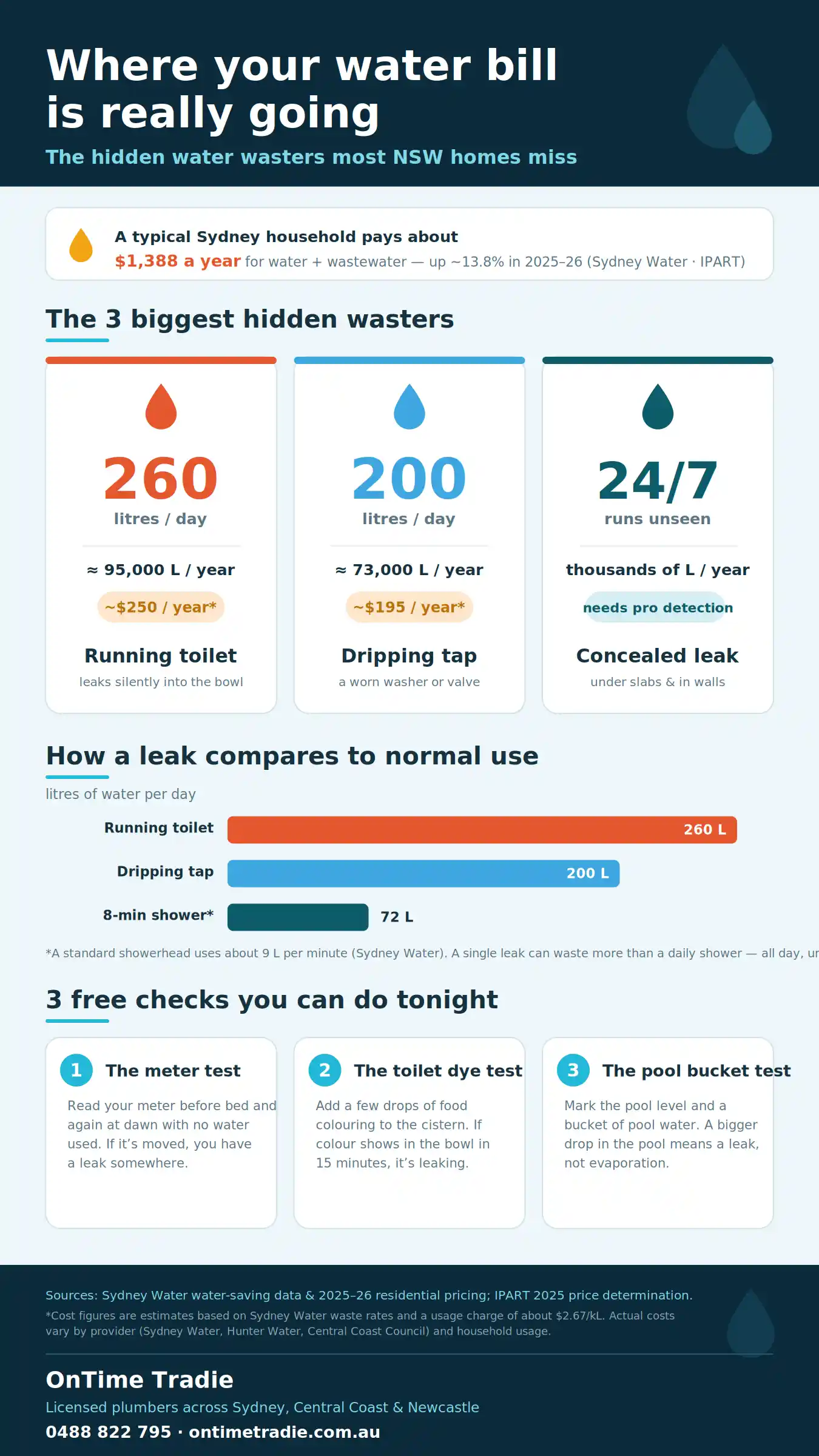
For context, a typical Sydney household now pays roughly $1,388 a year for water and wastewater, based on Sydney Water’s 2025–26 pricing — and IPART’s latest determination pushed the typical bill up about 13.8% for the year. With prices rising, a hidden leak stings more than it used to. Before you assume the meter is faulty or the water utility has made an error, it’s worth ruling out the everyday causes below — in the vast majority of cases, that’s exactly where the extra litres are going.
1. A toilet that runs without you noticing
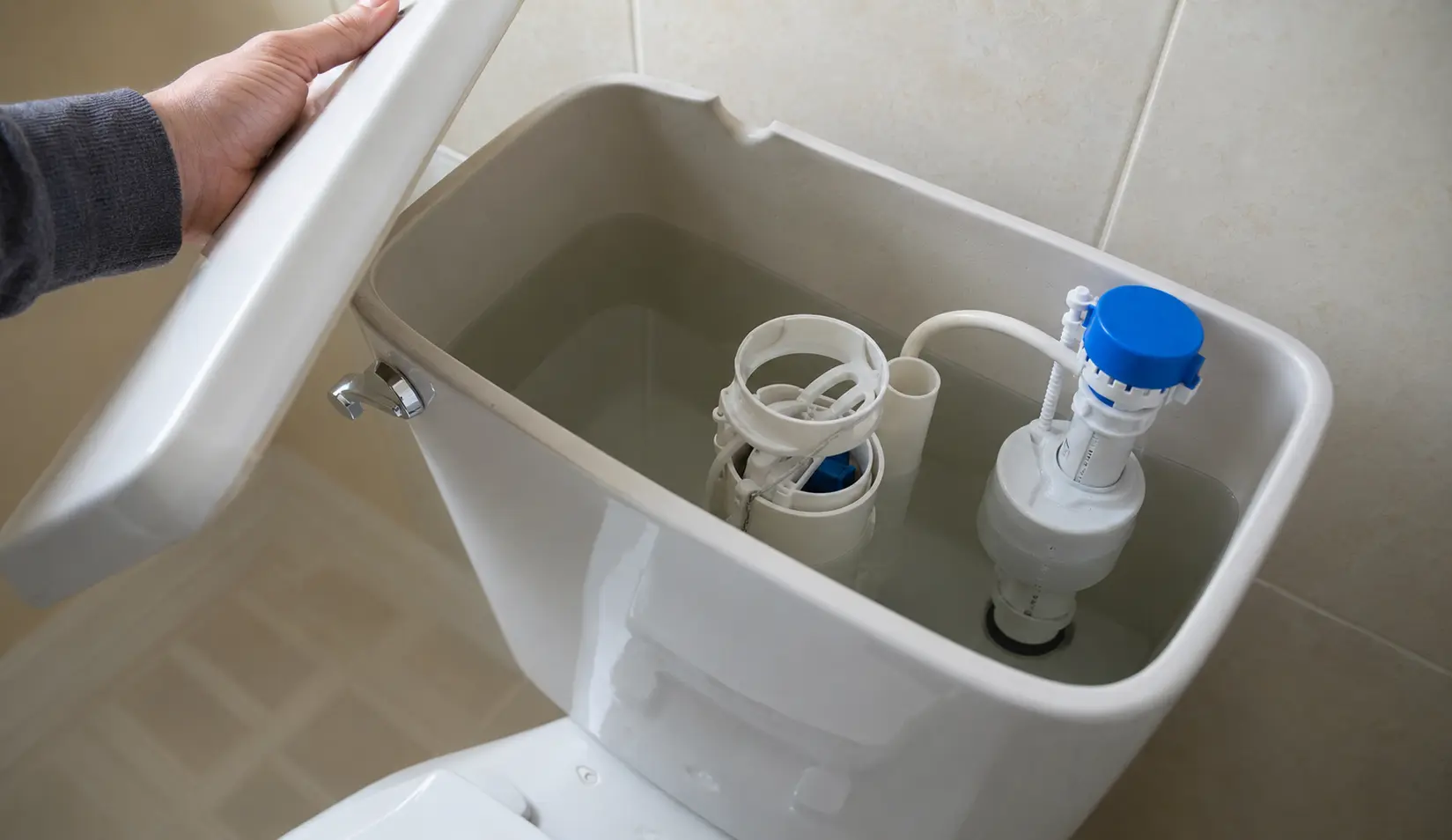
This is the single most common hidden cause of a high bill, and the most expensive. A toilet doesn’t have to overflow to waste water — it just has to leak quietly from the cistern into the bowl. You might hear a faint hiss or a trickle, or see a thin ripple on the water in the bowl long after it’s been flushed. Often there’s no obvious sign at all.
The numbers are sobering. According to Sydney Water, a leaking toilet can waste as much as 260 litres every single day. Over a quarter, a single running toilet can account for a bill that has doubled for no apparent reason. The usual causes are a worn flush valve, a warped or dirty seal, or a fill valve that won’t shut off properly. A quick test: put a few drops of food colouring in the cistern, wait fifteen minutes without flushing, and check the bowl. If colour appears, the toilet is leaking. It’s a job worth booking a plumber for promptly, because it’s costing you money every hour it’s left. A licensed plumber can sort out most toilet repairs and installation issues quickly and stop the waste.
2. Dripping taps and worn washers
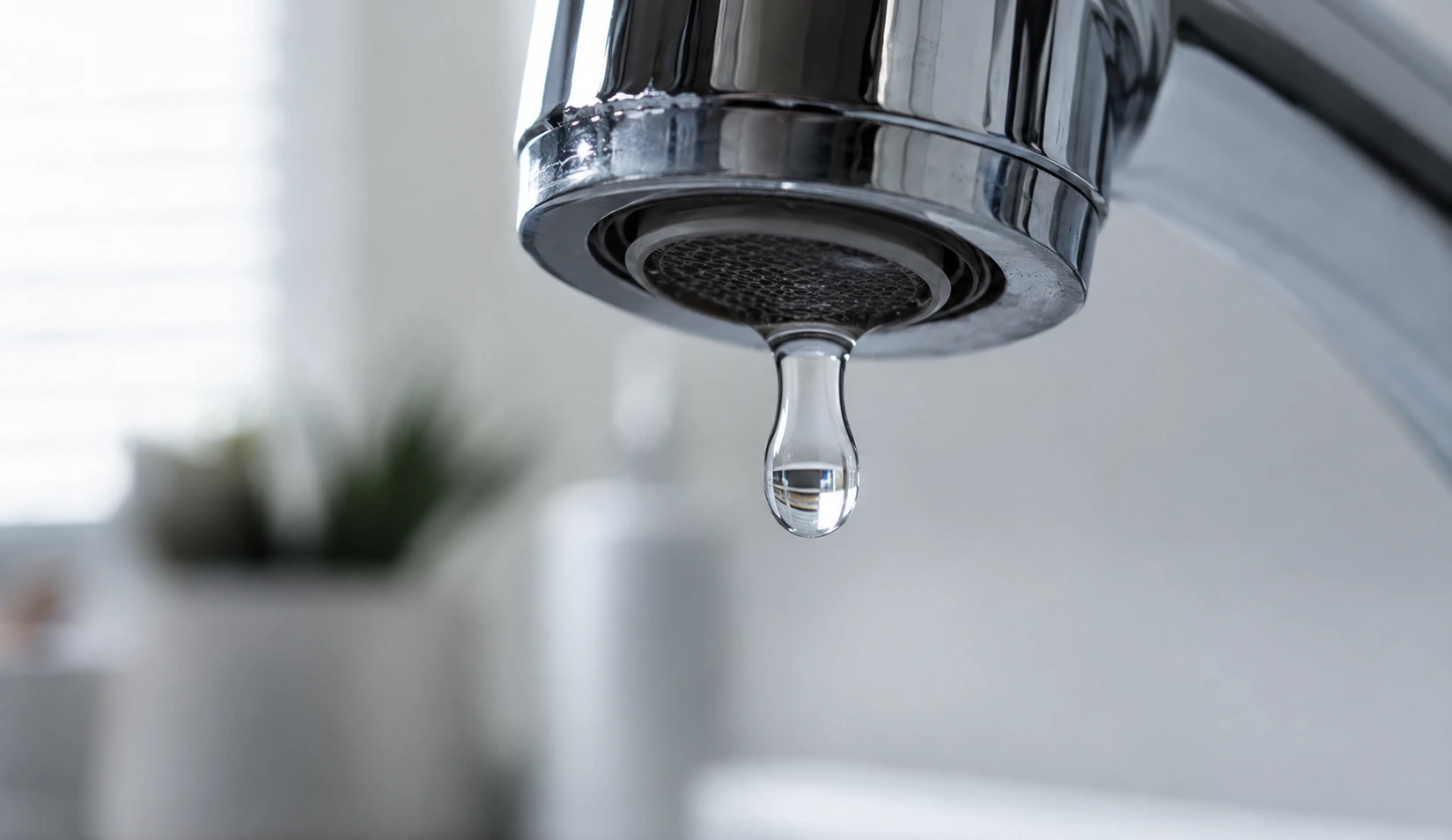
The tap you’ve been meaning to get to for months is doing more damage than you think. Sydney Water notes that a single dripping tap can waste up to around 200 litres a day. Multiply that across a couple of taps and a laundry outlet, and it becomes a real line item on your bill.
Drips are usually caused by a perished washer, a worn cartridge or a corroded valve seat — all of which develop over time from normal use. A hot tap that drips is worse again, because you’re paying to heat the water as well as losing it. In New South Wales, most tap repairs involving the water supply are work for a licensed plumber, so this isn’t a case where a rushed DIY fix pays off. Booking proper tap and sink repairs is inexpensive compared with what a persistent leak costs across a year.
The hidden wasters, by the numbers
To put the two biggest culprits in perspective, here’s how much water they can quietly lose — with a normal shower shown for comparison.
| Hidden cause | Water wasted per day | Over a year | Estimated cost per year* |
|---|---|---|---|
| Running toilet | Up to 260 litres | ~95,000 litres | ~$250 |
| Dripping tap | Up to 200 litres | ~73,000 litres | ~$195 |
| Concealed pipe leak | Varies — runs 24/7, unseen | Thousands of litres | Often significant |
| 8-minute shower (for comparison) | ~72 litres | — | — |
*Daily waste figures are from Sydney Water. Annual figures and cost estimates are calculated from those rates using a usage charge of about $2.67/kL (IPART, 2025–26). Actual costs vary by provider — Sydney Water, Hunter Water in Newcastle, and Central Coast Council — and by household. A standard showerhead uses around 9 litres per minute (Sydney Water).
The table makes the point plainly: a single running toilet can waste more water in a day than four full showers, and it does it around the clock without anyone noticing.
3. Hidden leaks underground or inside walls
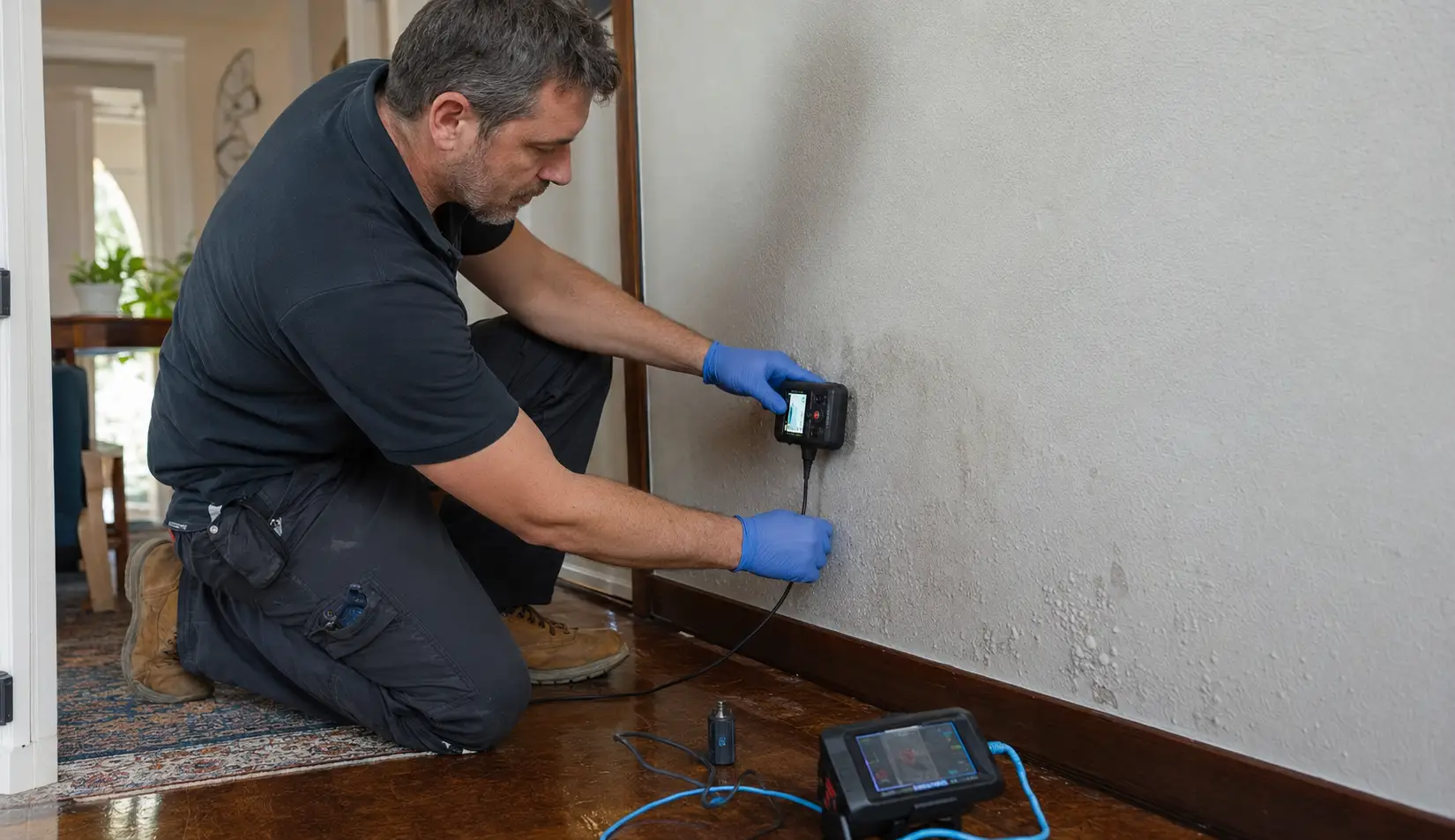
Not every leak announces itself. Some of the most expensive ones happen where you can’t see them: in the pipes running under the slab, beneath the garden, or inside a wall cavity. Because the water never appears at a tap or fixture, it can run for weeks before anyone notices the bill.
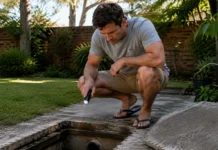
Warning signs to watch for include a section of lawn that’s mysteriously green or soggy when the rest is dry, damp patches or bubbling paint on internal walls, a musty smell that won’t shift, or the sound of running water when every tap in the house is off. A drop in water pressure can be a clue too. These leaks can’t be found by eye — they need proper equipment such as acoustic detection and thermal imaging to pinpoint the source without tearing up floors and walls on a guess. If your bill has spiked and nothing above explains it, professional leak detection and repair is the fastest way to find out where the water is going.
4. A leaking or failing hot water system
Your hot water system is one of the biggest water and energy users in the home, and when it starts to fail it can leak steadily without shutting down. A slow leak from the tank, a faulty pressure relief valve that’s constantly weeping, or corroded connections can all send litres down the drain and push your bill up.
Signs include water pooling around the base of the unit, rust-coloured water, banging or hissing noises, or hot water that runs out faster than it used to. An older system nearing the end of its life is more likely to develop these faults. Because a hot water leak wastes both water and the energy used to heat it, it’s worth acting on early. A licensed technician can assess whether a hot water system repair will fix it or whether the unit is due for replacement — and give you honest advice on which makes more sense.
5. Garden irrigation and outdoor taps
Outdoor water use is easy to lose track of. An irrigation system with a cracked line, a stuck solenoid valve or a controller set to run longer than you realised can quietly pour water into the garden day after day. Outdoor taps and hose fittings are also common leak points, especially where a hose has been left connected and the tap isn’t fully closed.
If your bill climbs in the warmer months, check the irrigation timer settings, walk the garden after a cycle to look for pooling or unusually lush patches, and inspect every outdoor tap and connection. A dripping garden tap is just as wasteful as an indoor one — it’s simply further from where you’ll notice it.
6. A leaking swimming pool
A pool that’s losing water isn’t always obvious, because evaporation masks the problem. But a genuine leak — through the shell, the plumbing, the skimmer box or around the light fittings — can waste a surprising amount, and you’ll often be topping it up without registering how often.
A simple check is the bucket test: fill a bucket with pool water, mark the level inside the bucket and the pool level, sit the bucket on a step so both are exposed to the same conditions, and compare after a day or two. If the pool level drops noticeably more than the bucket, evaporation isn’t the whole story and you likely have a leak worth investigating. Because pool plumbing is easy to get wrong, it’s worth reading why a pool repair isn’t a DIY job before you attempt one..
7. Old, water-hungry fixtures and appliances
If your home still has original fixtures from a couple of decades ago, they may be using far more water than modern equivalents. Older single-flush toilets, non-water-efficient showerheads and ageing washing machines and dishwashers all draw more per use. It’s not a leak, but it’s a steady, invisible premium on every bill.
Look for the WELS (Water Efficiency Labelling and Standards) star rating when you replace fixtures and appliances — more stars means less water for the same job. Upgrading a single old toilet or showerhead to a water-efficient model can noticeably reduce usage over a year, and the payback comes quickly on the bill.
8. Water pressure that’s set too high
Pressure that’s higher than it needs to be doesn’t just stress your pipes and fittings — it increases the volume of water flowing every time you turn on a tap or shower. Excessive pressure also accelerates wear on washers and valves, which brings us back to leaks. Many homeowners assume strong pressure is simply a good thing, without realising it can be quietly inflating usage and shortening the life of their plumbing.
Signs of pressure issues include banging pipes (water hammer), taps that spray forcefully, and fittings that fail more often than they should. If you suspect your pressure is too high, it can be measured and, where appropriate, regulated. Sorting out water pressure issues protects both your bill and your plumbing.
9. A leak on your side of the meter
Here’s a detail that surprises people: the water pipes running from the meter into and around your property are generally your responsibility, not the water utility’s. That means a leak on your side of the meter shows up on your bill, and it’s yours to fix. A cracked supply line under the front yard can run for a long time before anyone connects the soggy patch of grass with the higher bill.
Your water meter is the best diagnostic tool you have for this. Which brings us to the most useful check in this whole guide.
10. Changes in the household you haven’t accounted for
Sometimes the bill is up for a reason that isn’t a fault at all. More people staying over, a new tenant, kids home over the school holidays, a new dishwasher or washing machine getting heavier use, filling a new pool, or a spell of hot weather driving longer showers and more garden watering — all of these lift usage. It’s worth ruling this out before assuming a leak, because the pattern of your billing history often tells the story. If nothing in your household has changed, though, one of the causes above is the likelier explanation.
How to find out where your water is going
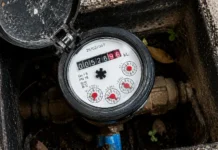
Before you call anyone, you can run a simple leak test yourself — and it’s completely safe. Late at night, when no one will use any water, read your water meter and write down the numbers. Don’t use any water overnight — no taps, no toilet, no dishwasher or washing machine on a timer. First thing in the morning, before anyone gets up, read the meter again. If the reading has moved, water has been used somewhere while the house was still, which points to a leak.
You can also watch the meter’s flow indicator (the small dial or star that spins when water moves) with every tap and appliance turned off. If it’s moving, water is flowing somewhere it shouldn’t be. These checks won’t tell you exactly where the leak is, but they confirm whether you have one — and that’s valuable information to hand a plumber.
When to call a licensed plumber
There’s a clear line between what a homeowner can safely do and what needs a professional. Reading your meter, checking timers, doing the dye test on a toilet and the bucket test on a pool are all fine. Actual repairs to taps, toilets, pipes, hot water systems and anything connected to the water supply are, in New South Wales, work for a licensed plumber — both because incorrect work can make a leak worse and because unlicensed plumbing work can affect your home insurance.
Concealed leaks are the clearest case for calling a professional, because finding them without the right equipment usually means guesswork and unnecessary damage. A plumber can locate the leak precisely, tell you honestly whether it’s a straightforward repair or something larger, and give you an upfront price before starting. If your meter test confirms water is disappearing but you can’t see where, that’s the moment to book proper leak detection rather than chase it yourself.
How to keep your bills down long-term
Once the immediate problem is sorted, a bit of routine care keeps future bills predictable — and it works best alongside a few broader ways to cut back on household expenses:
- Fix drips and running toilets as soon as you notice them, rather than living with them
- Check outdoor taps, hose fittings and irrigation settings each season — the same seasonal habit that pays off when you get your home ready for storm season
- Choose WELS-rated fixtures and appliances when it’s time to replace them
- Do a meter test every few months as a quick health check
- Have your plumbing inspected periodically, especially in an older home, so small issues are caught before they become expensive
A scheduled plumbing check is a modest cost that often pays for itself by catching a slow leak, a failing valve or an ageing fitting early. For homes with a history of plumbing niggles, it’s one of the more sensible habits you can build.