



































































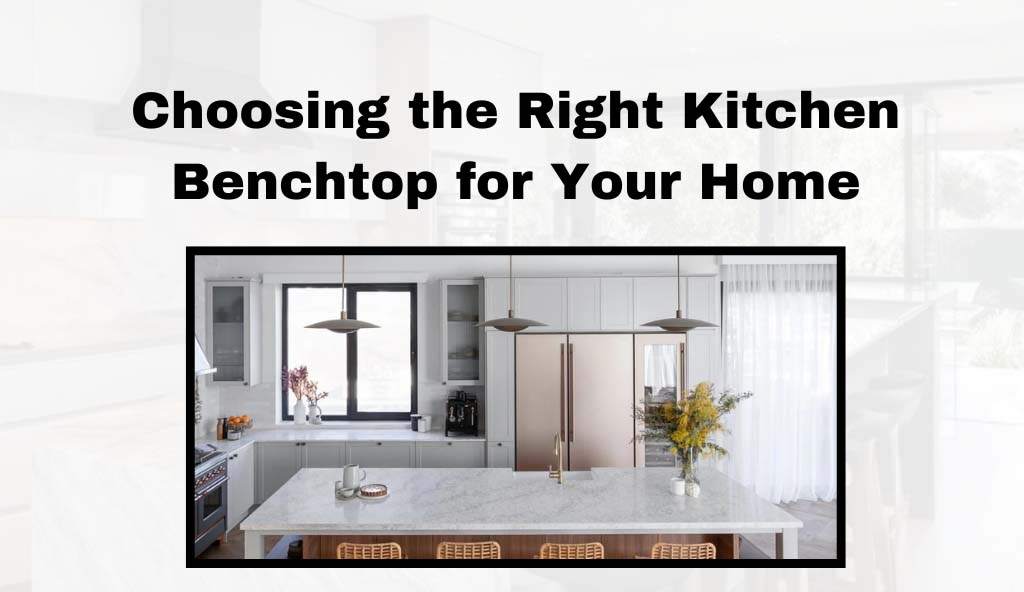
Kitchen Benchtop Materials Compared: Cost, Durability, Maintenance, and the 2024 Engineered Stone Ban Explained
Choosing a kitchen benchtop is one of the highest-impact decisions in any renovation — it’s the surface you’ll use every day, it anchors the entire kitchen’s look, and it’s expensive to replace if you get it wrong. Yet most buyers make the decision on appearance alone, only to discover the practical trade-offs after installation.
This guide breaks down the real, material-by-material differences that matter: how each surface actually performs, what it genuinely costs, how much maintenance it demands, and one major regulatory change every Australian buyer needs to know about before choosing engineered stone.
First, the Most Important Update: The Engineered Stone Ban
If you’re renovating in Australia, this is essential context that older benchtop guides don’t cover.
From 1 July 2024, Australia became the first country in the world to prohibit the manufacture, supply, processing, and installation of engineered stone benchtops, panels, and slabs. The ban was introduced because engineered stone contains very high levels of crystalline silica, and cutting or grinding it generates fine silica dust that has caused a serious rise in silicosis — an irreversible, potentially fatal lung disease — among stonemasons and fabricators.
What this means for you as a buyer:
- You can no longer purchase new engineered (reconstituted) stone benchtops in Australia, including popular quartz-based products
- Natural stone (granite, marble) is unaffected and remains available
- Porcelain, laminate, timber, and stainless steel are unaffected and remain fully available
- If you’re getting quotes, any supplier offering new engineered stone should raise a red flag
This single regulatory change has reshaped the Australian benchtop market, pushing buyers toward natural stone, porcelain, and other alternatives. Any benchtop decision made in Australia now needs to start here.
Natural Stone: Granite and Marble
Natural stone is quarried in solid slabs, so each piece is genuinely unique.
Granite
- Durability: Extremely hard and heat-resistant; handles hot pots and heavy daily use well
- Maintenance: Porous, so it needs periodic sealing (typically annually) to resist stains
- Look: Speckled, granular patterns with natural depth
- Best for: Busy, heavy-use kitchens where durability is the priority
Marble
- Durability: Softer than granite; scratches and etches more easily, particularly from acidic foods (lemon, vinegar, wine)
- Maintenance: Needs sealing and careful use; develops a patina over time that some love and some don’t
- Look: The classic luxury veined aesthetic
- Best for: Aesthetics-first kitchens, or bakers who value the naturally cool surface, where the owner accepts some wear
Cost tier: Mid-to-high. Natural stone is a premium material with professional fabrication and installation costs.
Porcelain (Sintered Stone)
With engineered stone off the table, porcelain has become one of the leading premium alternatives in Australia.
- Durability: Extremely hard, heat-resistant, scratch-resistant, and UV-stable (suitable even for outdoor kitchens)
- Maintenance: Non-porous, so no sealing required; wipes clean easily and resists stains
- Look: Available in designs that convincingly mimic marble, concrete, and stone, in large-format slabs
- Silica risk: Much lower crystalline silica content than engineered stone, and it falls outside the ban
- Consideration: Can chip on edges if struck hard; requires skilled fabrication to cut and install well
Cost tier: Mid-to-high, comparable to natural stone.
Laminate
The most budget-friendly mainstream option, and dramatically improved from decades past.
- Durability: Susceptible to scratches, heat damage (never place hot pots directly on it), and moisture penetration at seams and edges
- Maintenance: Very easy to clean, but damage is generally not repairable — it’s a replace-not-repair material
- Look: Enormous range of colours and patterns, including convincing stone and timber looks
- Longevity: Typically the shortest lifespan; may need replacing sooner in a heavily used kitchen renovation
Cost tier: Budget. By far the most affordable option, ideal for rentals, quick refreshes, or tight budgets.
Solid Timber
A warm, natural option that suits certain kitchen styles beautifully.
- Durability: Softer surface that scratches and dents; vulnerable to water damage around sinks if not maintained
- Maintenance: Needs regular oiling or sealing; can be sanded back and refinished, which is a genuine advantage
- Look: Warm, natural, ages with character
- Best for: Farmhouse, Scandinavian, and rustic kitchens; often used as an accent (like an island) rather than throughout
Cost tier: Mid, depending on timber species.
Stainless Steel
The professional-kitchen choice, increasingly used in residential settings.
- Durability: Heat-resistant, hygienic, and non-porous; won’t stain or harbour bacteria
- Maintenance: Easy to clean but shows fingerprints, water spots, and fine scratches readily
- Look: Industrial, sleek, modern
- Best for: Serious home cooks and contemporary or industrial kitchen designs
Cost tier: Mid-to-high, especially for custom fabrication.
Quick Comparison Summary
By budget (low to high): Laminate → Timber → Stainless steel / Natural stone / Porcelain
By durability: Porcelain and granite lead; laminate and marble are the most vulnerable
By lowest maintenance: Porcelain and stainless steel (no sealing); granite, marble, and timber need periodic sealing/oiling
By heat resistance: Porcelain, granite, and stainless steel handle heat best; laminate and timber are the most heat-sensitive
By best for resale/premium feel: Natural stone and porcelain
How to Actually Choose: Key Questions
Before deciding, work through these:
- How do you use your kitchen? Heavy daily cooking pushes you toward granite, porcelain, or stainless steel. Lighter use opens up more options.
- What’s your maintenance tolerance? If you won’t reseal annually, avoid porous materials like natural stone and choose porcelain or stainless steel instead.
- What’s your realistic budget — including fabrication and installation, not just the material? These add significantly to stone and porcelain.
- How long will you stay in the home? For a long-term home, investing in a durable premium surface makes sense. For a shorter horizon or rental, laminate is a rational choice.
- What’s your kitchen’s layout? Complex layouts, integrated sinks, or unusual dimensions may require custom fabrication, which affects both cost and material choice.
Getting the Full Picture Before You Buy
Material is only part of the decision — the other half is choosing between custom fabrication and ready-made options, understanding how each affects cost and fit, and knowing what to expect from professional installation.
CountDeals has a clear, practical breakdown that walks through exactly this: the trade-offs between stone, laminate, custom, and ready-made benchtops, including the fit, durability, and cost considerations for each. If you’re weighing up your options, their guide to choosing the right kitchen benchtop is a useful next read to help you match the right material and format to your kitchen and budget.