

































































How to Tell If Your Shilajit Is Real: A Buyer’s Guide to Purity, Safety, and Avoiding Fakes
Shilajit has surged in popularity as a wellness supplement — and with that popularity has come a flood of low-quality, adulterated, and outright fake products. Because genuine shilajit is a mineral-rich resin that can absorb contaminants from its environment, buying the wrong product isn’t just a waste of money; poorly sourced shilajit can contain heavy metals and other impurities. Knowing how to identify a genuine, tested product matters more here than with almost any other supplement.
This guide focuses on the practical side the hype often skips: what real shilajit actually is, how to spot a fake, the safety testing that genuinely matters, who should avoid it, and how to buy responsibly. It’s written to help you make an informed, safe choice — not to make health claims.
What Shilajit Actually Is
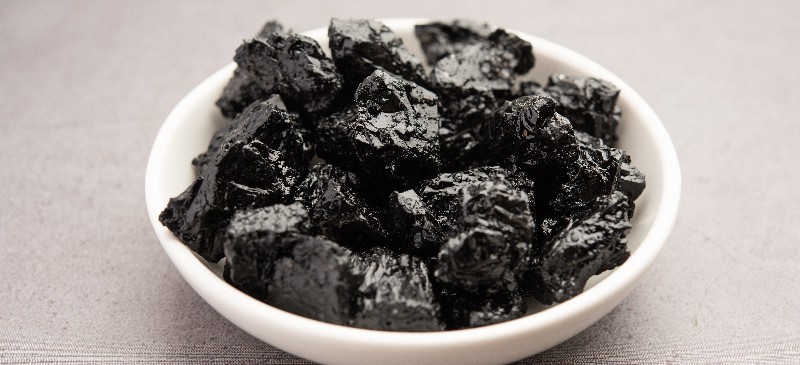
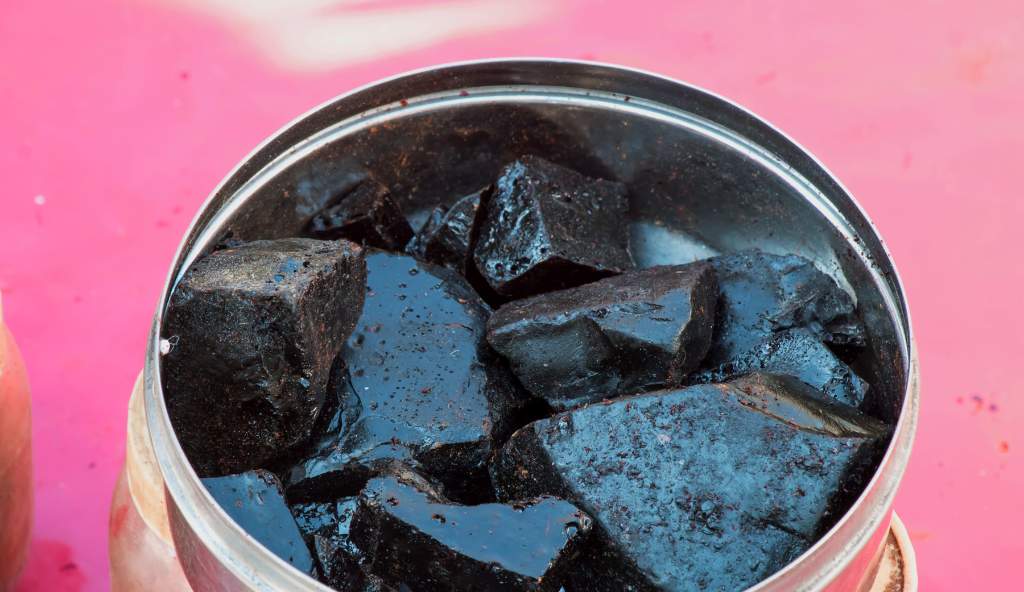
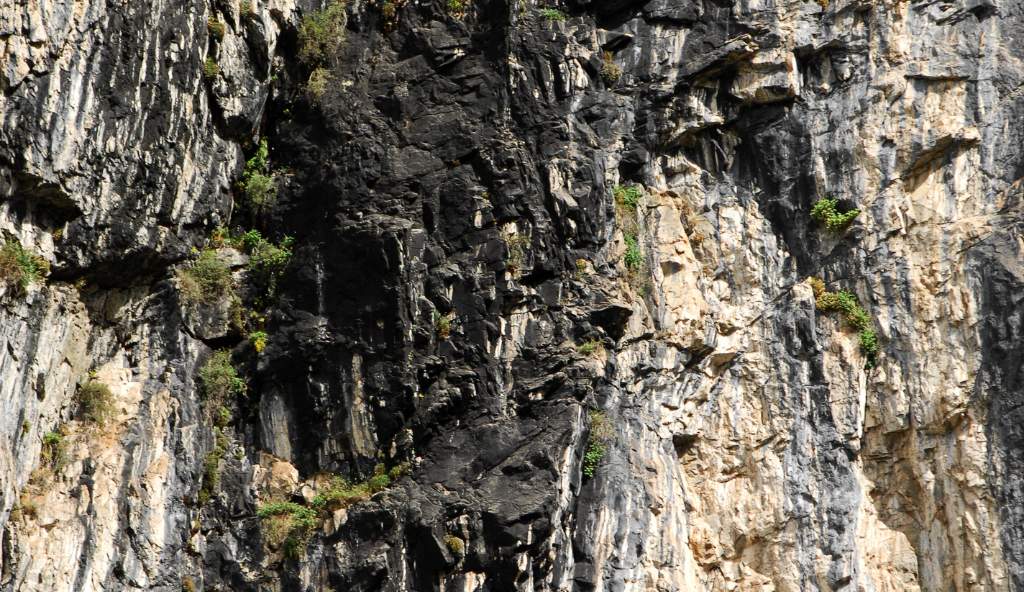
Shilajit is a sticky, tar-like resin that seeps from rocks in mountain ranges such as the Himalayas, Altai, and Caucasus, formed over centuries from the slow decomposition of plant matter. Its most discussed components are fulvic acid and a range of trace minerals.
It’s used in traditional Ayurvedic practice and is sold today as resin, powder, or capsules. Importantly, while some early research has looked at fulvic acid and shilajit, the scientific evidence for many popular claims is still limited and ongoing — so it’s best approached as a traditional supplement with promising but not conclusively proven benefits, rather than a guaranteed remedy.
Why Authenticity and Purity Matter So Much Here
With most supplements, a fake is simply ineffective. With shilajit, the stakes are higher for two reasons:
- Contamination risk. Because genuine shilajit forms in rock and absorbs its surroundings, unpurified or poorly processed shilajit can contain heavy metals (like lead, arsenic, or mercury) and other contaminants. Proper purification and testing is what makes it safe.
- Widespread adulteration. The market is full of fakes — products cut with fillers, or made from unrelated substances shaped and coloured to look like resin. These aren’t purified and haven’t been tested.
This is exactly why how you buy shilajit matters as much as whether you buy it.
How to Spot Genuine vs Fake Shilajit
No home test is definitive, but genuine purified shilajit tends to share certain traits. Reputable resin often:
- Dissolves in warm water (not milk-based liquids for the test) — typically turning it a golden to reddish-brown, without leaving hard undissolved grit
- Changes texture with temperature — softening and becoming sticky/malleable when warm, and becoming harder/more brittle when cold or refrigerated
- Has an earthy, distinctive smell and a bitter taste rather than being sweet or flavourless
Warning signs of a poor or fake product include a product that won’t dissolve, leaves plastic-like or gritty residue, smells chemical or strongly of coffee/chocolate (a sign it may be a substitute), or is suspiciously cheap. However, these home checks are only rough indicators — they can’t detect heavy metals or confirm purity. The only reliable assurance comes from lab testing (below).
The Safety Testing That Actually Matters
This is the single most important part of buying shilajit, and where you should focus. Look for products backed by:
- Third-party lab testing — independent verification, not just the seller’s own word
- Heavy metal testing — specifically screening for lead, arsenic, mercury, and cadmium, with results available
- Purity/contaminant testing — checking for microbial contamination and other impurities
- A published Certificate of Analysis (COA) — reputable sellers provide or will share this on request
- Transparent sourcing — clear information about where it comes from and how it’s purified
A seller who can’t or won’t provide evidence of contaminant testing is one to avoid, regardless of how good the marketing looks.
Where to Buy More Safely
To reduce the risk of a poor or unsafe product:
- Buy from established, transparent retailers who publish testing and sourcing details rather than anonymous marketplaces
- Read genuine reviews and check the seller’s reputation and traceability
- Favour sellers who specify purification methods and provide a COA
- Be wary of extreme bargains — genuine, properly tested shilajit has real production and testing costs behind it
Who Should Be Cautious or Avoid It
This matters as much as purity. Shilajit isn’t appropriate for everyone, and some people should not take it without medical advice:
- Pregnant or breastfeeding women — generally advised to avoid it
- Children — not recommended without professional guidance
- People with existing health conditions — especially conditions affecting iron levels (shilajit can contain iron), or those on medication, due to potential interactions
- Anyone with allergies or sensitivities to check the specific product
Because supplements can interact with medications and conditions in ways that aren’t always obvious, it’s genuinely important to speak with a doctor or a qualified healthcare professional before starting shilajit — particularly if you take other medication, are managing a health condition, or are pregnant.
Using It Sensibly
If you’ve verified a product is genuine and tested, and checked with a professional that it’s appropriate for you:
- Follow the product’s dosage guidance rather than assuming more is better
- Start conservatively and note how you respond
- Dissolve resin in warm (not boiling) water or as directed
- Store it properly — resin is sensitive to heat and moisture
- Stop and seek advice if you experience any adverse reaction
Finding a Quality, Australian-Sourced Product
Once you know what genuine, tested shilajit looks like and have confirmed it’s suitable for you, the next step is finding a reputable, transparent source — ideally one that’s clear about origin, purification, and testing rather than relying on marketing claims alone.
CountDeals has a helpful overview of shilajit for Australian buyers, covering what it is, its traditional uses, and — importantly — the purity, quality standards, and sourcing considerations to look for: a guide to natural shilajit’s uses, benefits, and quality standards in Australia. It’s a useful companion read as you evaluate products and sources.