




































































The global telecom industry is undergoing a massive transformation. From record-breaking telecom deals and mergers to rapid adoption of 5G Advanced, fiber broadband, AI-driven networks, and satellite connectivity, the way people and businesses connect has changed forever. Telecom is no longer just about calls and data plans—it is the backbone of digital economies, smart cities, remote work, and next-generation innovation. This guide explores today’s most important telecom deals, emerging technologies, and future connectivity trends, helping consumers and businesses understand where the industry is heading.
The Evolution: From Voice Networks to Intelligent Connectivity
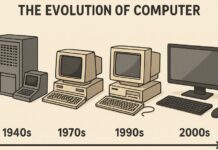
Telecommunications has evolved through several major phases:
- 2G–3G: Voice calls and basic mobile internet
- 4G LTE: Mobile broadband, streaming, and app-driven services
- 5G & Fiber: Ultra-low latency, high-speed connectivity, and IoT
- 2025 onwards: AI-powered, cloud-native, and satellite-enhanced networks
Modern telecom networks now support automation, real-time data processing, and mission-critical services, making connectivity more intelligent and reliable than ever before.
Major Telecom Deals Shaping the Industry
Telecom consolidation is accelerating as providers invest heavily in fiber, spectrum, and infrastructure. Some of the most influential recent telecom deals include:
🔹 Strategic Fiber & Infrastructure Acquisitions Large telecom operators are acquiring regional fiber networks to expand high-speed broadband access. These deals are designed to:
- Reach underserved and rural areas
- Improve fixed wireless and home broadband services
- Support enterprise and cloud connectivity needs
This trend signals a long-term commitment to fiber-first infrastructure.

🔹 Market Consolidation & Mergers
Across the US and Europe, telecom companies are consolidating to:
- Reduce infrastructure costs
- Improve network efficiency
- Compete more effectively with global players
These mergers often lead to better bundled deals, including mobile, broadband, TV, and cloud services.
🔹 Partnerships Over Ownership
Instead of full acquisitions, many providers now form strategic partnerships with:
- Cloud service providers
- Satellite broadband companies
- AI and cybersecurity firms
This partnership-driven approach speeds up innovation without massive capital expenditure.
5G Advanced, AI & the Future of Mobile Networks
🚀 5G Advanced (5.5G)
By 2025, telecom networks are moving beyond basic 5G to 5G Advanced, offering:
- Lower latency
- Higher energy efficiency
- Support for industrial IoT and smart manufacturing
- Improved performance for AR/VR and real-time applications
🤖 AI-Driven Telecom Networks
Artificial intelligence is now deeply embedded in telecom operations:
- AI automates network management and fault detection
- Predictive analytics reduce downtime
- Smart traffic routing improves user experience
AI-powered networks are essential for scaling modern connectivity demands.
🌐 Early 6G Research
While still in development, 6G research is already underway, focusing on:
- AI-native network design
- Terahertz spectrum usage
- Ultra-immersive digital experiences
These early initiatives ensure long-term competitiveness for telecom providers.
Satellite & Alternative Connectivity Models
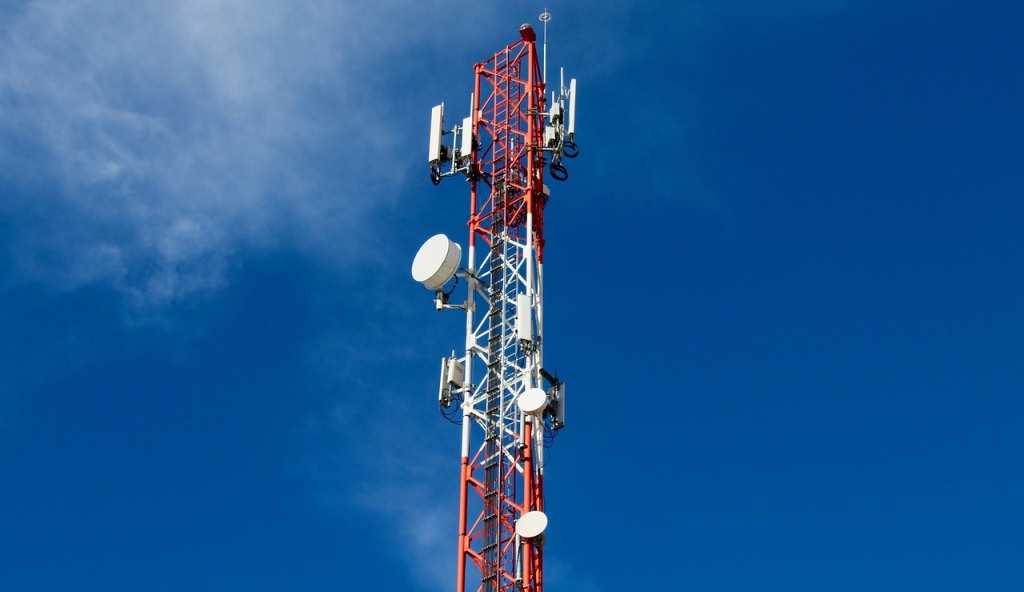
Traditional mobile towers are no longer the only solution. New connectivity models include:
🛰️ Low-Earth Orbit (LEO) Satellites
LEO satellite networks are enabling:
- Internet access in remote and rural regions
- Emergency connectivity during disasters
- Seamless global coverage
Telecom companies are increasingly partnering with satellite providers to complement terrestrial networks.
🌍 Fixed Wireless Access (FWA)
FWA uses 5G networks to deliver home broadband without physical fiber lines. Benefits include:
- Faster deployment
- Lower infrastructure costs
- Competitive pricing for consumers
The Role of Cloud-Native Telecom Infrastructure
Modern telecom systems are shifting toward cloud-native architectures, which allow:
- Faster service deployment
- Improved scalability
- Better integration with digital platforms
Cloud-native telecom also enables network slicing, allowing providers to create customized connectivity solutions for industries such as healthcare, finance, and logistics.

Cybersecurity & Privacy in the Connectivity Revolution
As networks become more complex, telecom cybersecurity is more critical than ever. Providers are investing in:
- Zero-trust security models
- Advanced threat detection
- Data privacy and compliance solutions
Secure connectivity is now a core selling point for enterprise and government customers. High-Speed Broadband Offers.
What Telecom Deals Mean for Consumers & Businesses
Telecom deals and innovations directly benefit end users by delivering:
- Faster internet speeds
- More affordable bundled plans
- Wider coverage areas
- Improved service reliability
For businesses, modern telecom networks enable:
- Cloud computing
- Remote operations
- IoT-driven efficiency
- Scalable digital transformation

Frequently Asked Questions (FAQ)
What are telecom deals?
Telecom deals include mergers, acquisitions, partnerships, and service bundles that expand or improve connectivity services.
Is 5G Advanced better than 5G?
Yes. 5G Advanced offers improved performance, lower latency, and better support for advanced applications like smart factories and AR/VR.
Will satellite internet replace mobile networks?
No. Satellite connectivity complements traditional networks, especially in remote and hard-to-reach areas.

Final Thoughts:
The Future of Connectivity Is Here The telecom industry is at the heart of the global digital revolution. With major telecom deals, AI-powered networks, 5G Advanced, fiber expansion, and satellite connectivity, the future promises faster, smarter, and more inclusive communication.
Staying informed about telecom trends and deals helps consumers, businesses, and investors make better decisions in an increasingly connected world.